
WEIGHT, TEXTURE, ATMOSPHERE
SCULPTURES THAT MAKE ME FEEL DEEPLY
Last updated July 25, 2026
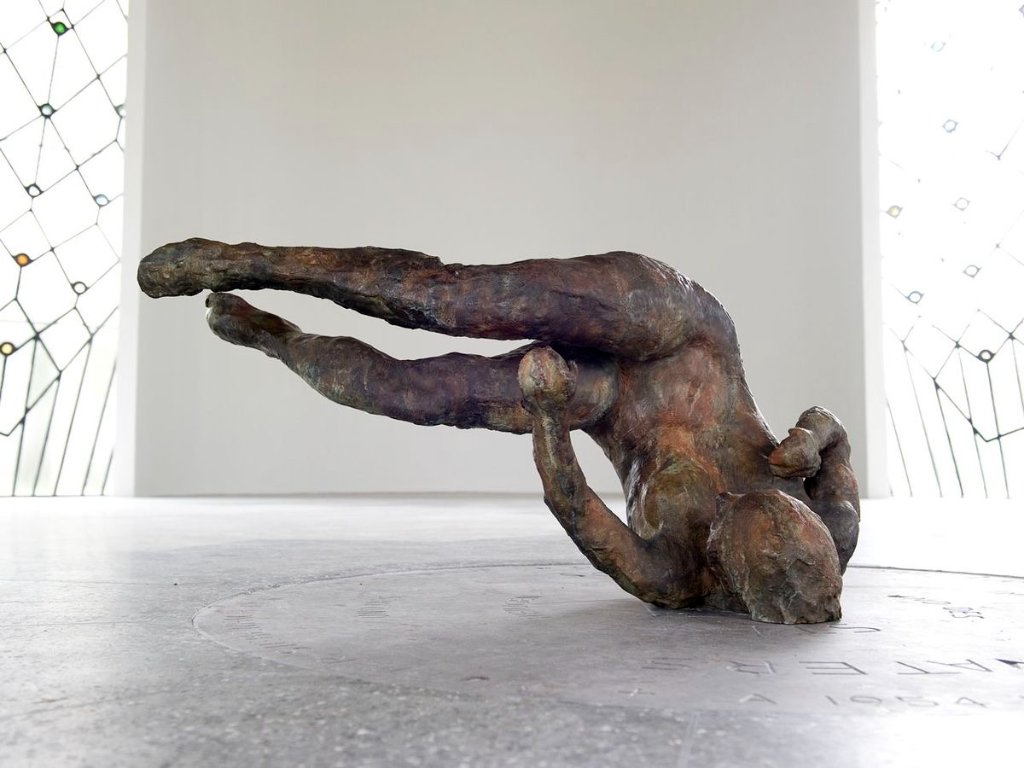
Sculpture does something painting and furniture each only do half of, it has weight in real space and it holds a feeling in its form, both at once, and that's exactly why these pieces sit at the centre of everything else I love.
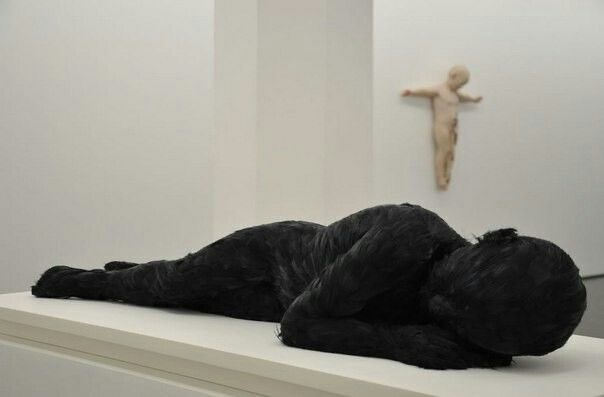
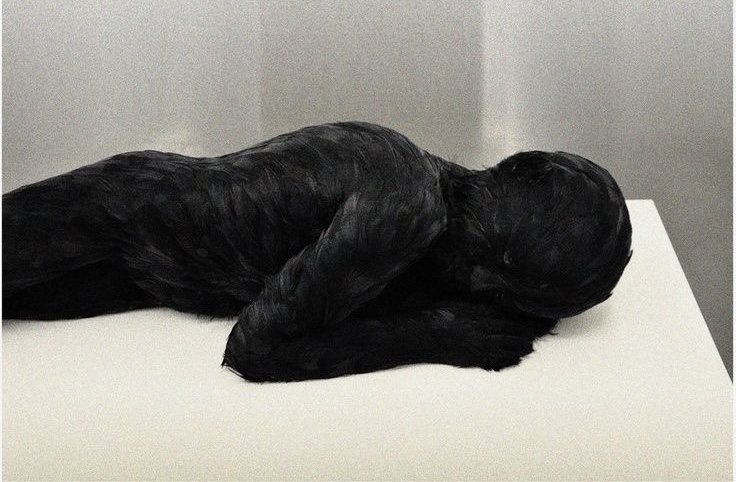
Lucy Glendinning's Feather Child is my favourite of all of them, without competition. A small curled body, entirely covered in black feathers, lying so still it feels less like a sculpture and more like something that stopped moving right before you walked in. The texture is what undoes me first, thousands of individual feathers built into skin, into a whole surface that looks soft and threatening at exactly the same time. And then the scale, small enough to feel childlike, vulnerable, and still somehow the most unsettling thing in the room. I don't just look at this piece, I feel swallowed by it.
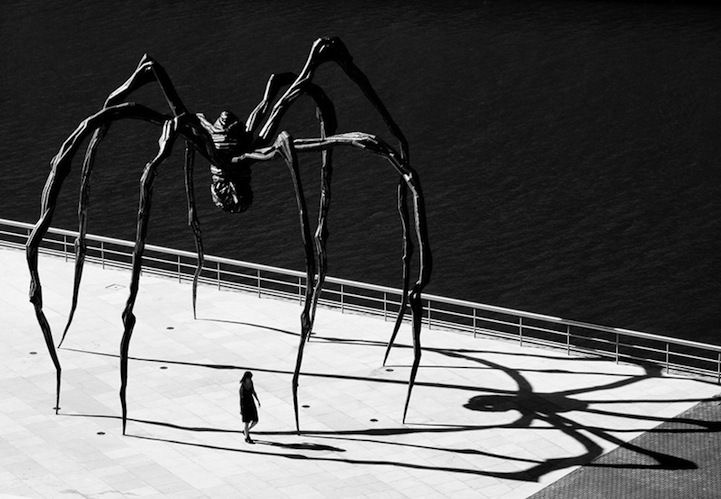
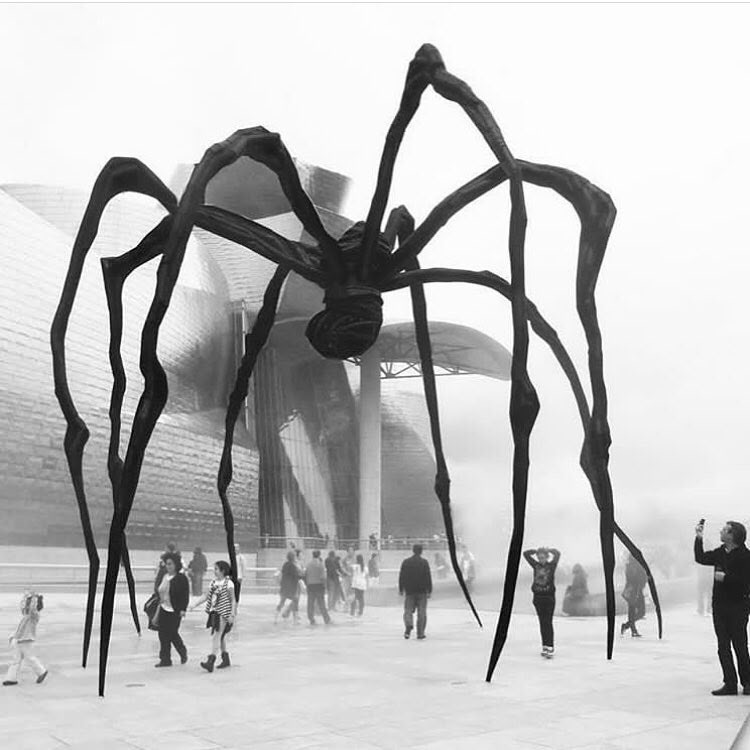
Louise Bourgeois's Maman is the one that changed how I understand scale entirely. Standing underneath it, a spider taller than a building, I didn't feel threatened, I felt small in the way a child feels small next to a parent, which is exactly what the work is actually about. It's proof that something enormous and spindly and strange can still read as protective rather than monstrous, depending entirely on how it's built.
Cristina Córdova's figures undo me in a quieter way. A woman's torso, sculpted with total anatomical honesty, spilling into something raw and unfinished at the base, as if the body simply stopped resolving itself partway through. It has the same unfinished quality I love in Tanaka's paintings, except here I can walk around it and feel the weight of that incompleteness from every angle.
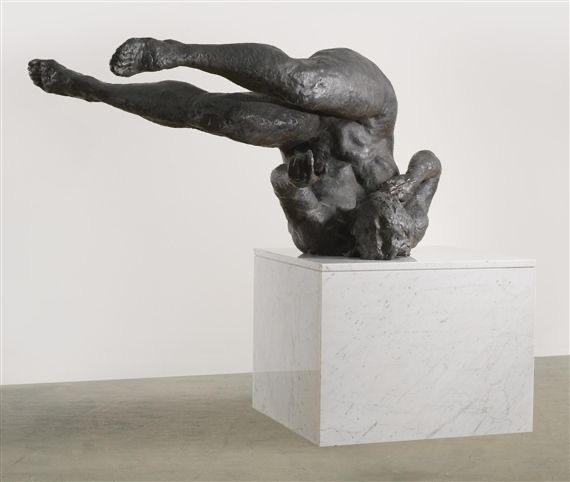
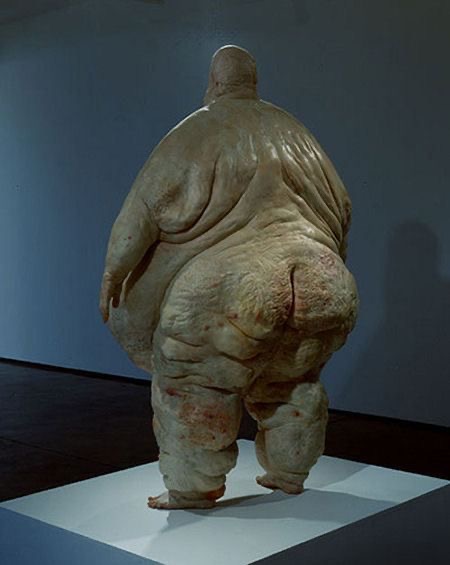
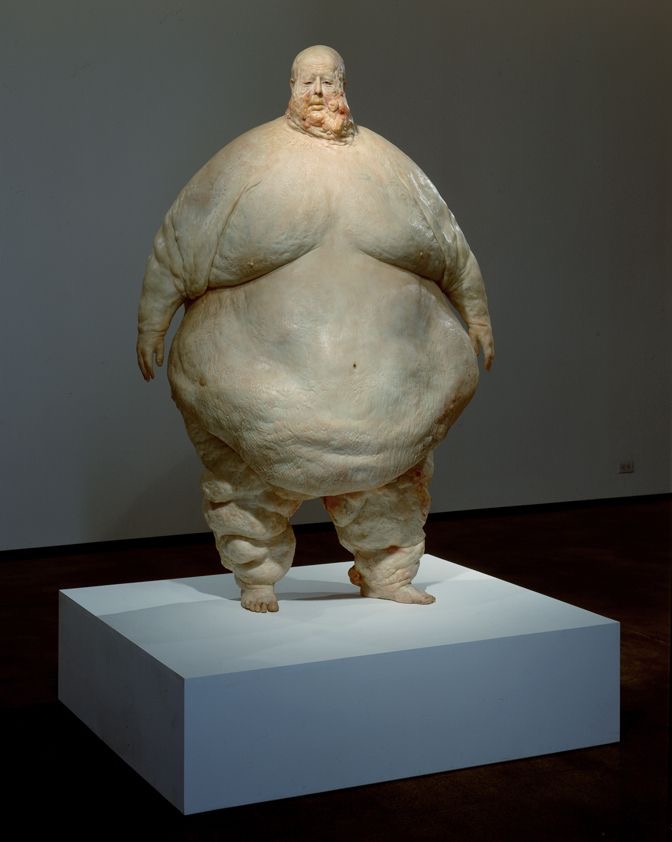
Eric Fischl's Tumbling Woman and John Isaacs's Bad Miracle both do something I find almost unbearable in the best way, bodies pushed past their ordinary proportions and given total dignity anyway. Isaacs's swollen, sagging figure and Fischl's falling woman both refuse to look away from vulnerability, and neither asks you to look away either.
Alan Ainslie's bronze cheetahs are the exception on this list, motion instead of stillness, but I love them for the same reason, that split second where a body is caught entirely mid-movement, no longer earthbound, not yet landed.
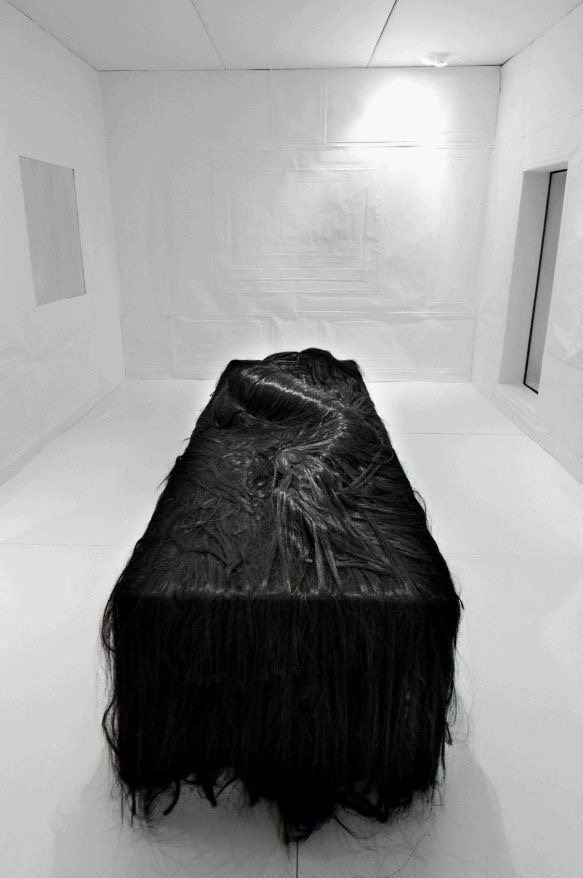
Simon Schubert's Sleeping Woman does the most with the least of anything I've ever seen, no pigment, no colour, and somehow an entire sleeping figure emerges from nothing but hair and shape. Aurélie Hoegy's dancers work the same territory from the opposite direction, bodies cast mid-movement, caught at the exact instant between one position and the next.
What ties all of it together for me is that these pieces do the job of both the paintings and the furniture at once, they hold atmosphere the way the paintings do, and they hold real, physical weight in a room the way the furniture does. Standing in front of one isn't like looking at something, it's like being in the presence of something, and I don't think I've ever wanted anything more than to build a life where I get to stand in rooms like that on purpose.