My Work
Christilette Magazine
Founding Editor & Curator. Contemporary Art
I'm the founding editor and curator of Christilette, a print magazine on dark contemporary art, now in development for its first issue.
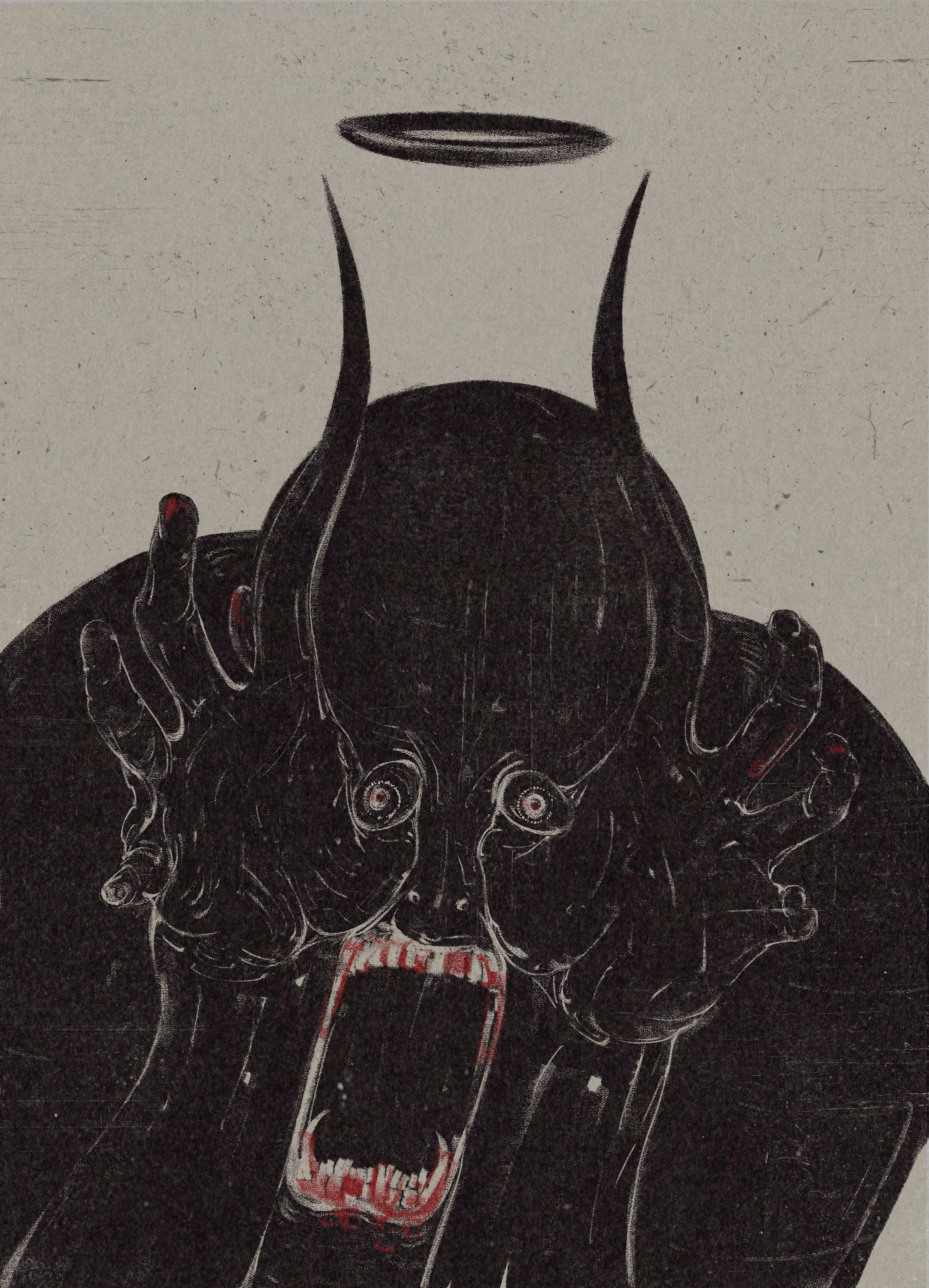
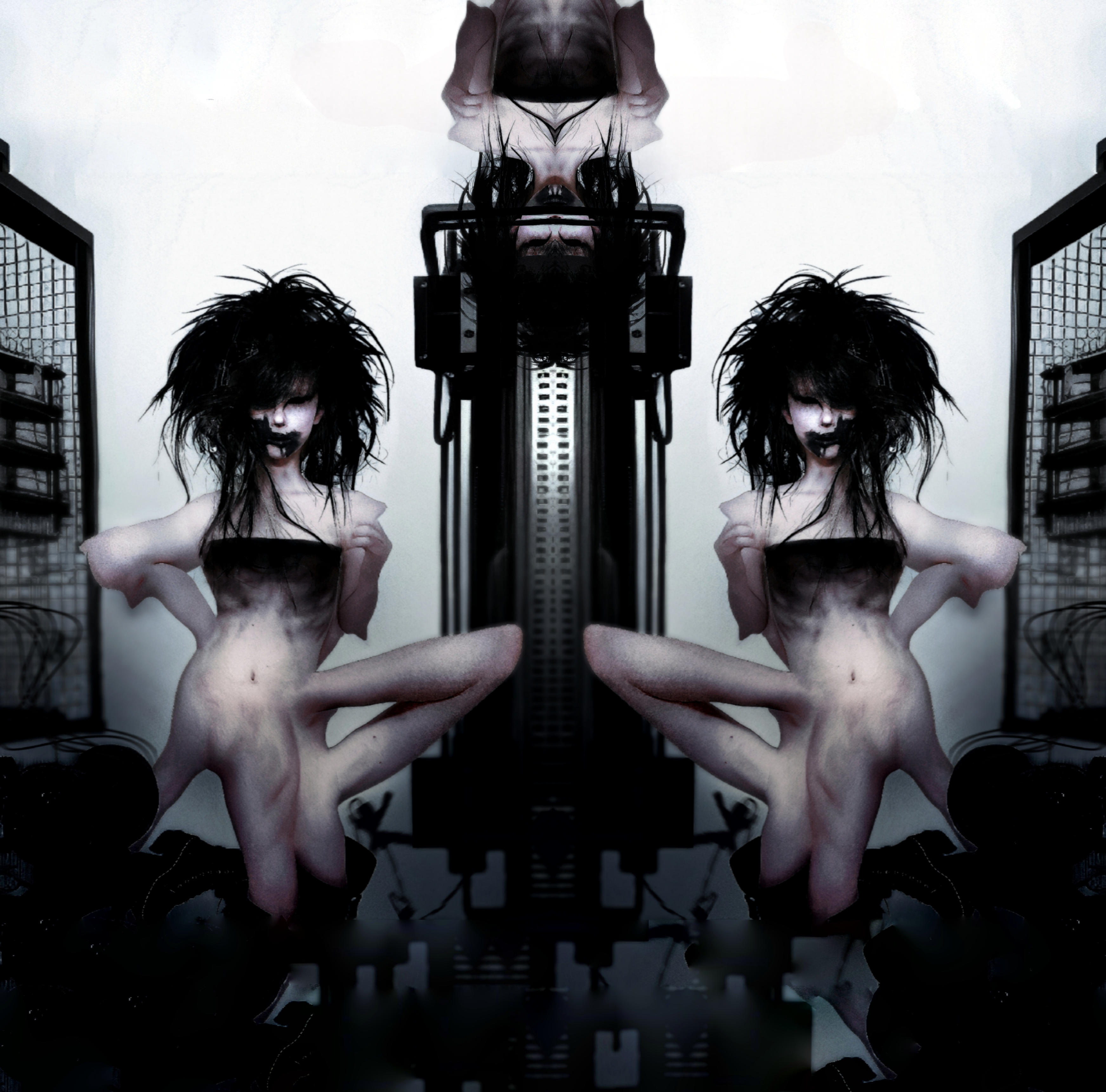
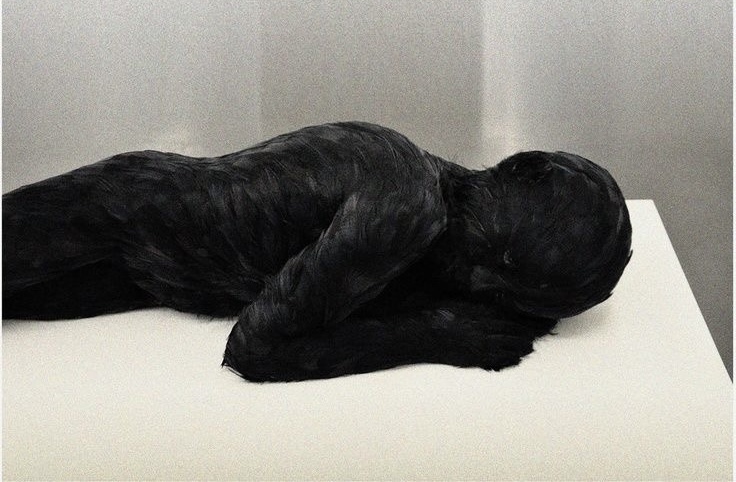
Christilette starts from one question: can something ugly or wrong still be good? Western art has long assumed that beauty and goodness go together, an idea the Greeks called kalokagathia. The artists I feature push against it. Their work deals with the body, mortality, decay and the unsettling, and the darkness always has great conceptual depth.
For Issue 001 I've selected five living artists, with Elie Atef, Katya Nikitina, Nika Jeon, Viszol and Orphelyn, and commissioned features from art advisor Ananda Kai Naves-Penkwitt, perfume specialist Kristan Beech and neuroscientist Sophie Coghlin. Deciding who goes in, and why, has taught me more about positioning a body of work than any course. The magazine is built as a collectible: a limited run of 1,000 copies, designed to hold its value over time.
My work on the magazine includes:
- Setting the curatorial direction and the question behind it
- Selecting and working directly with five living artists
- Commissioning and editing contributed features
- Designing the issue as a collectible object, from format to print run
Christilette is where I test what I believe about art in public, with real artists and real readers.
Christilette Magazine
Founding Editor & Curator. Contemporary Art
I'm the founding editor and curator of Christilette, a print magazine on dark contemporary art, now in development for its first issue.
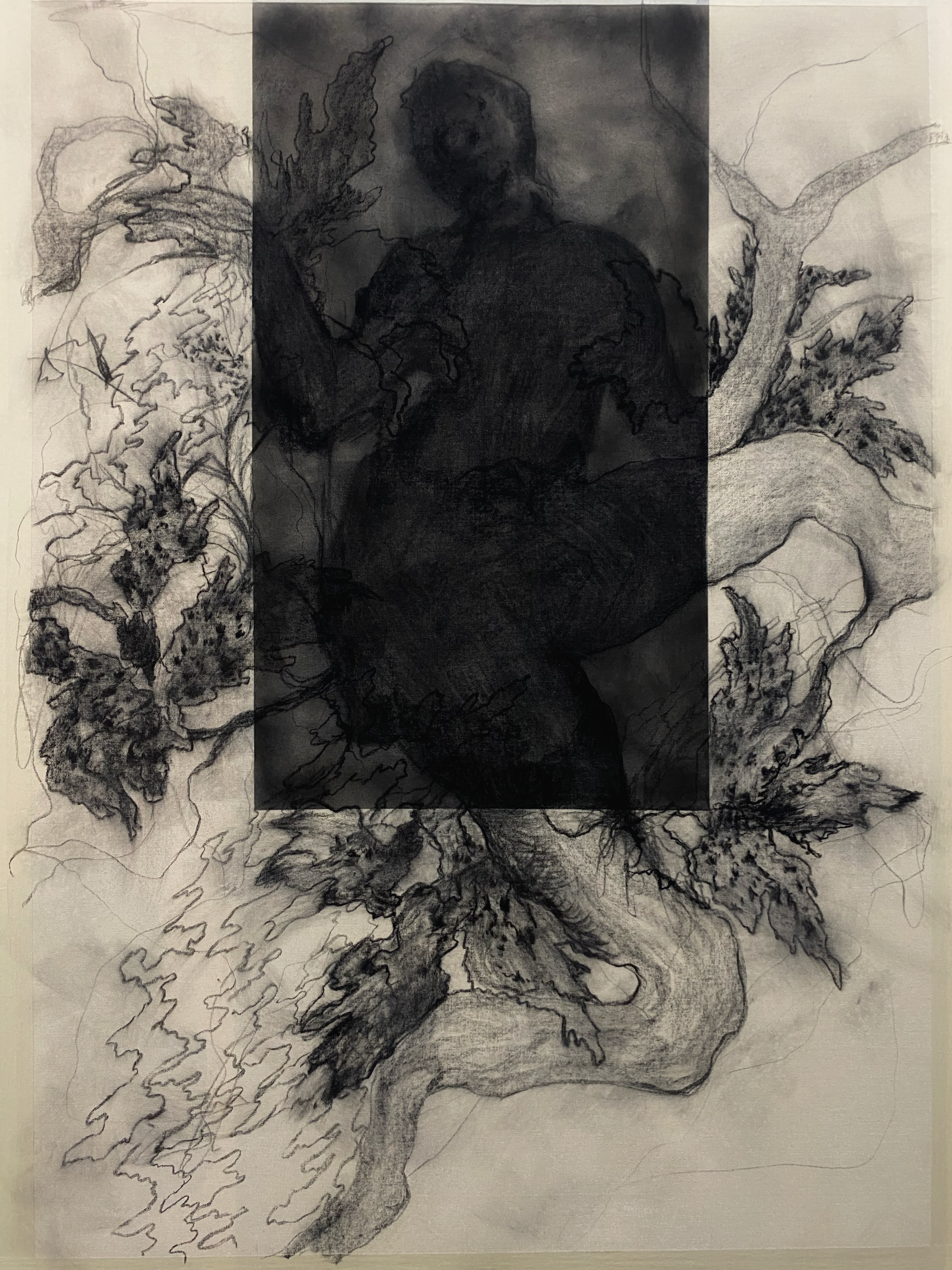
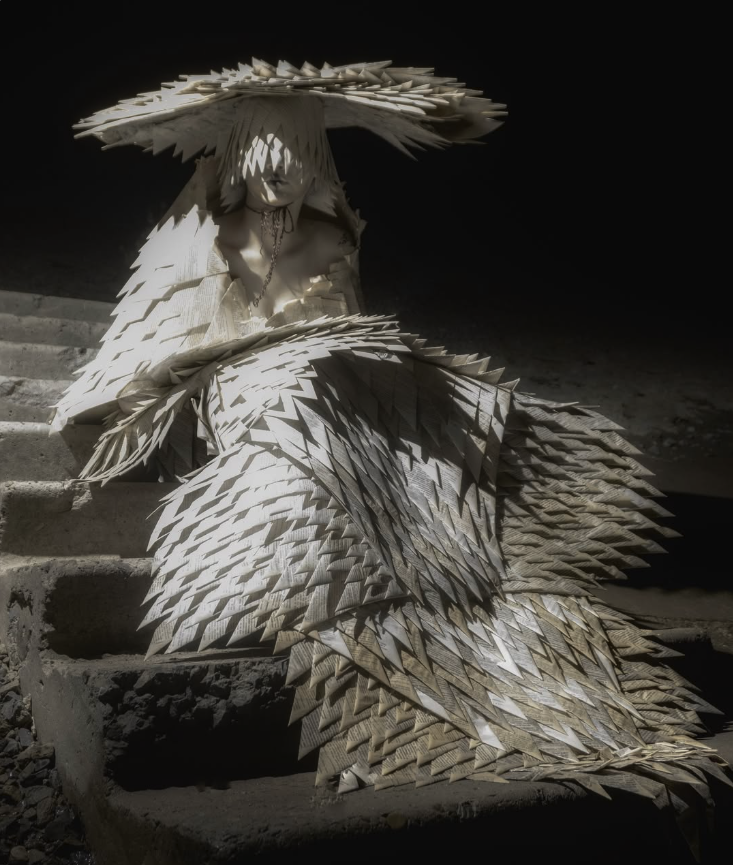
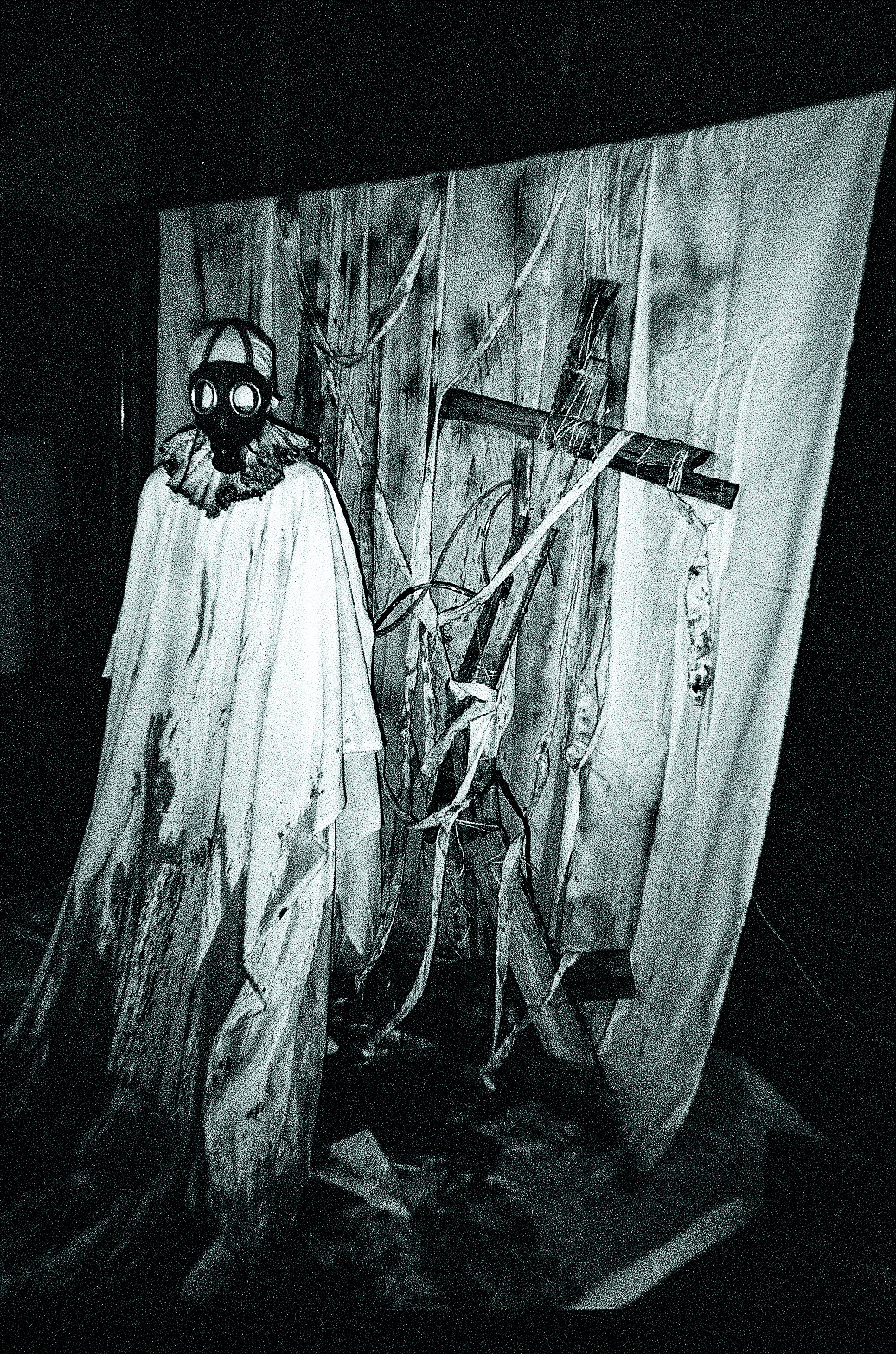
Christilette starts from one question: can something ugly or wrong still be good? Western art has long assumed that beauty and goodness go together, an idea the Greeks called kalokagathia. The artists I feature push against it. Their work deals with the body, mortality, decay and the unsettling, and the darkness always has great conceptual depth.
For Issue 001 I've selected five living artists, with Elie Atef, Katya Nikitina, Nika Jeon, Viszol and Orphelyn, and commissioned features from art advisor Ananda Kai Naves-Penkwitt, perfume specialist Kristan Beech and neuroscientist Sophie Coghlin. Deciding who goes in, and why, has taught me more about positioning a body of work than any course. The magazine is built as a collectible: a limited run of 1,000 copies, designed to hold its value over time.
My work on the magazine includes:
- Setting the curatorial direction and the question behind it
- Selecting and working directly with five living artists
- Commissioning and editing contributed features
- Designing the issue as a collectible object, from format to print run
Christilette is where I test what I believe about art in public, with real artists and real readers.
My Practice
Artist. Oil, Charcoal and Pencil on Loose Canvas
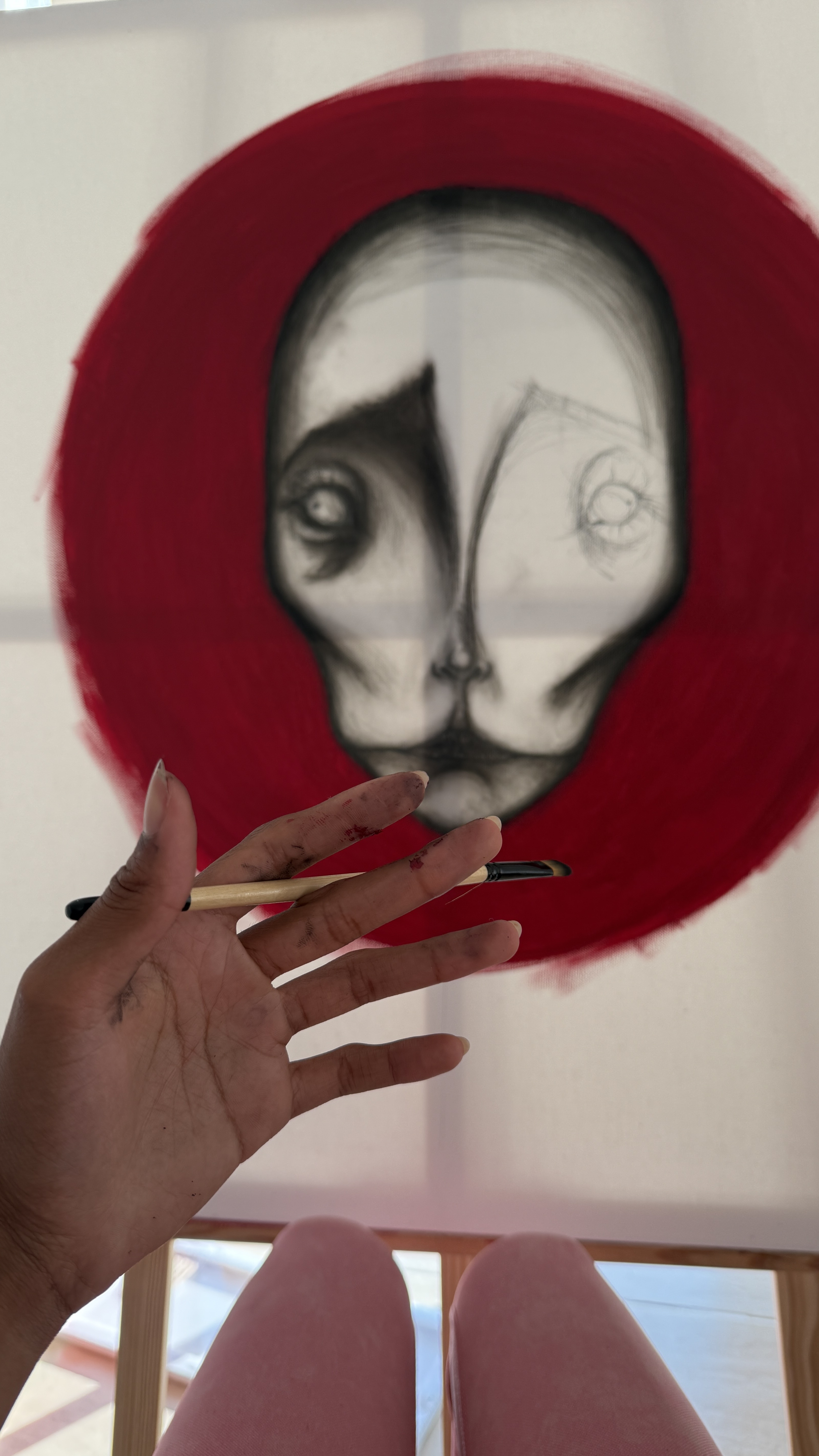
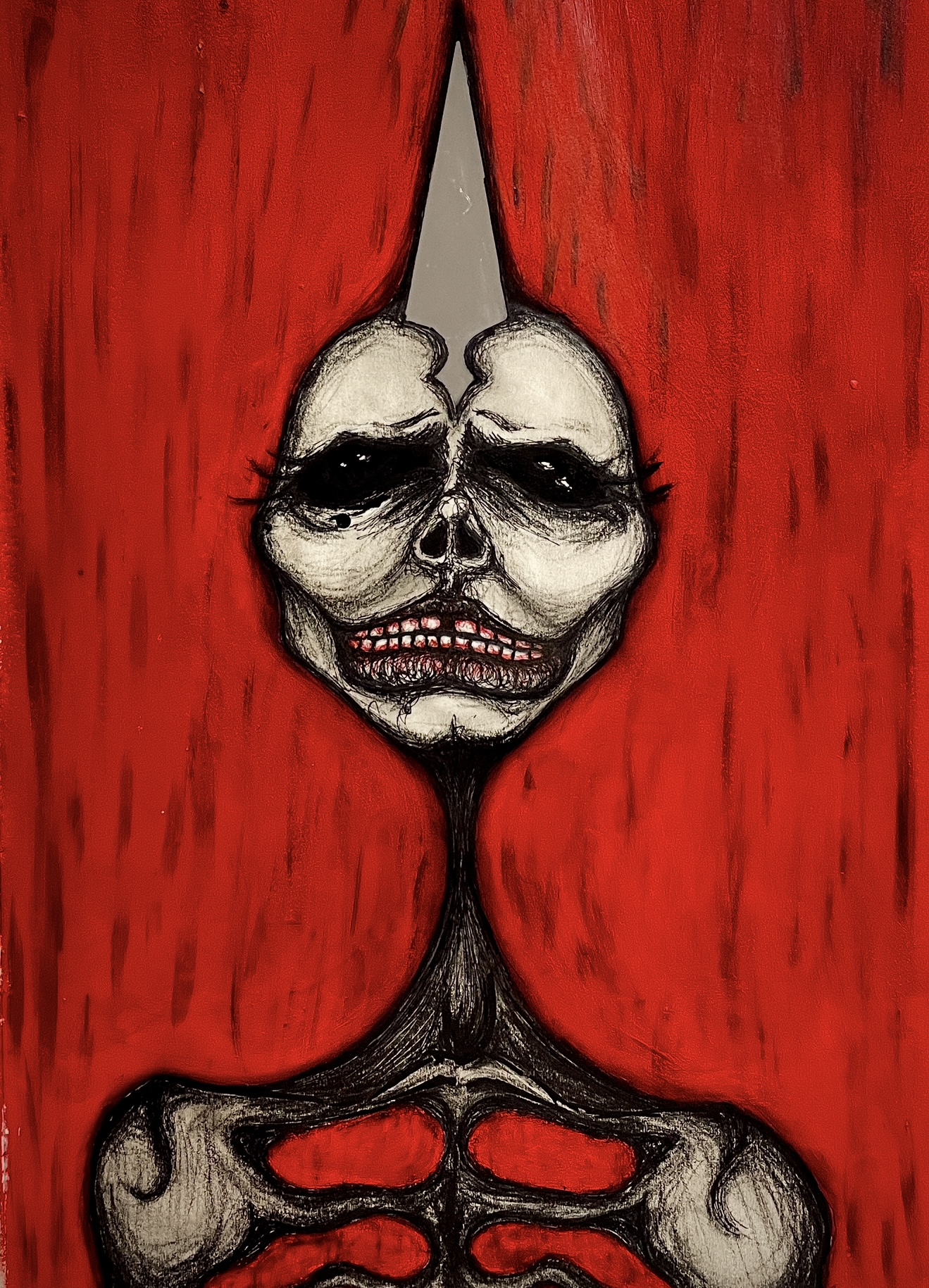
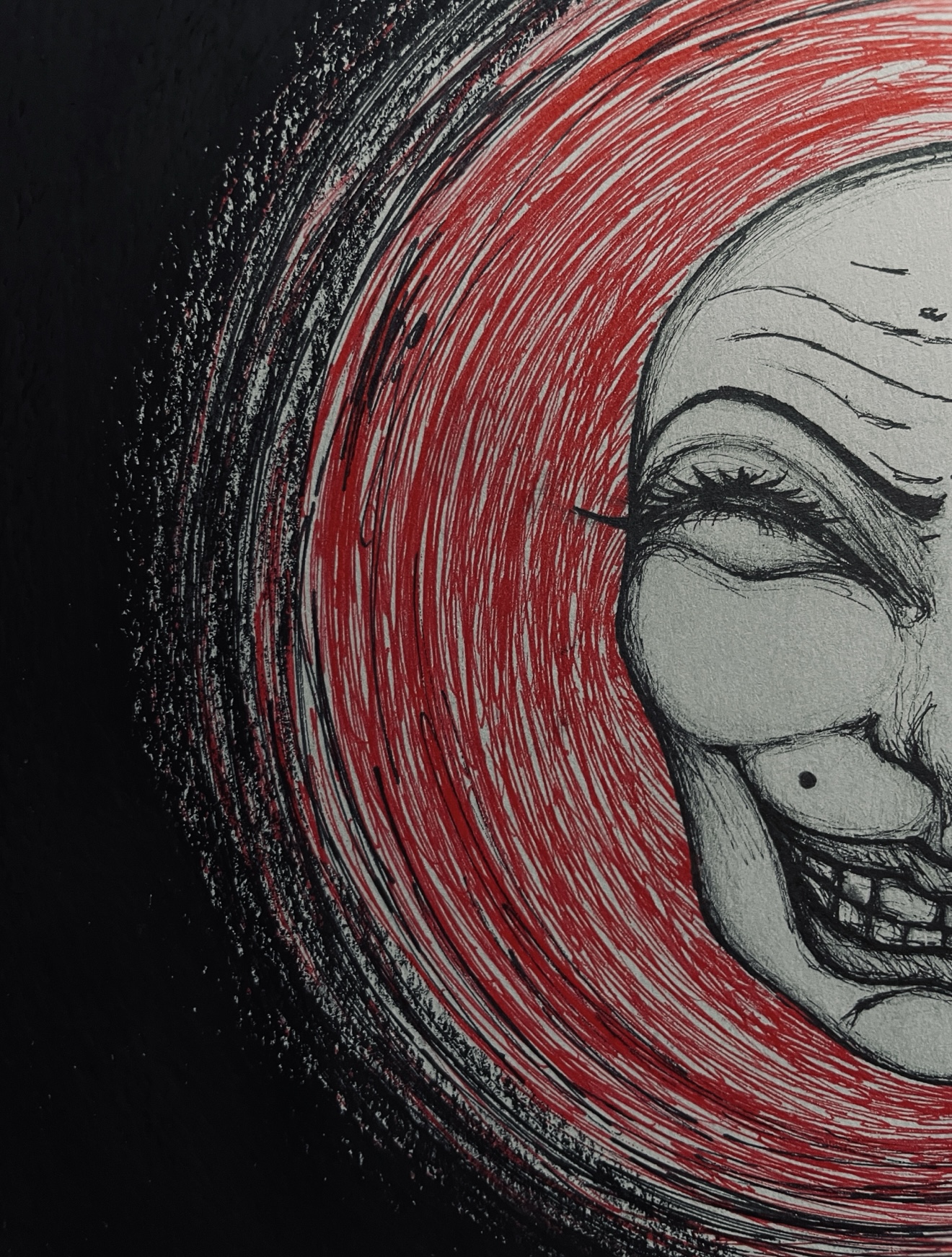
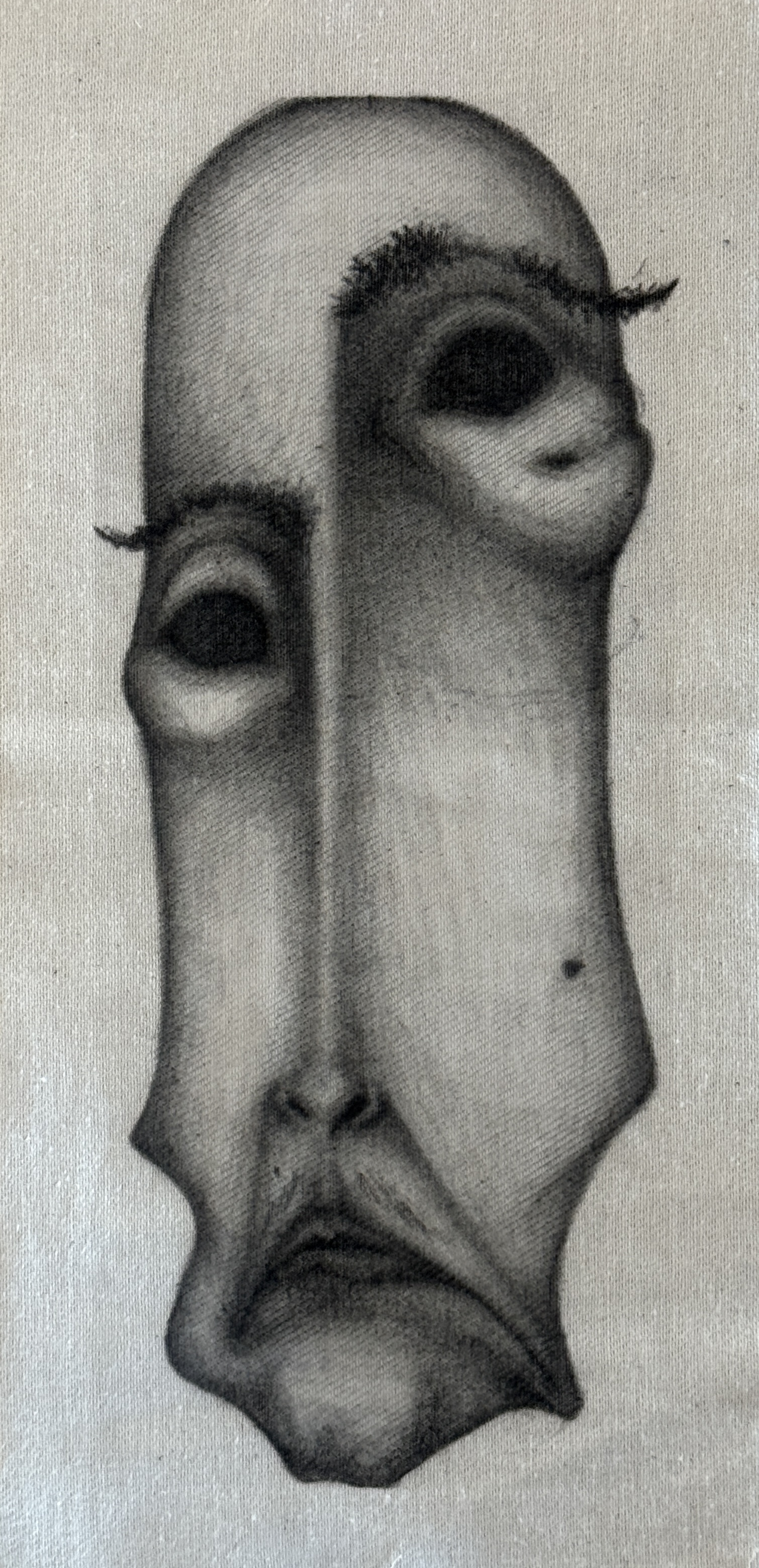
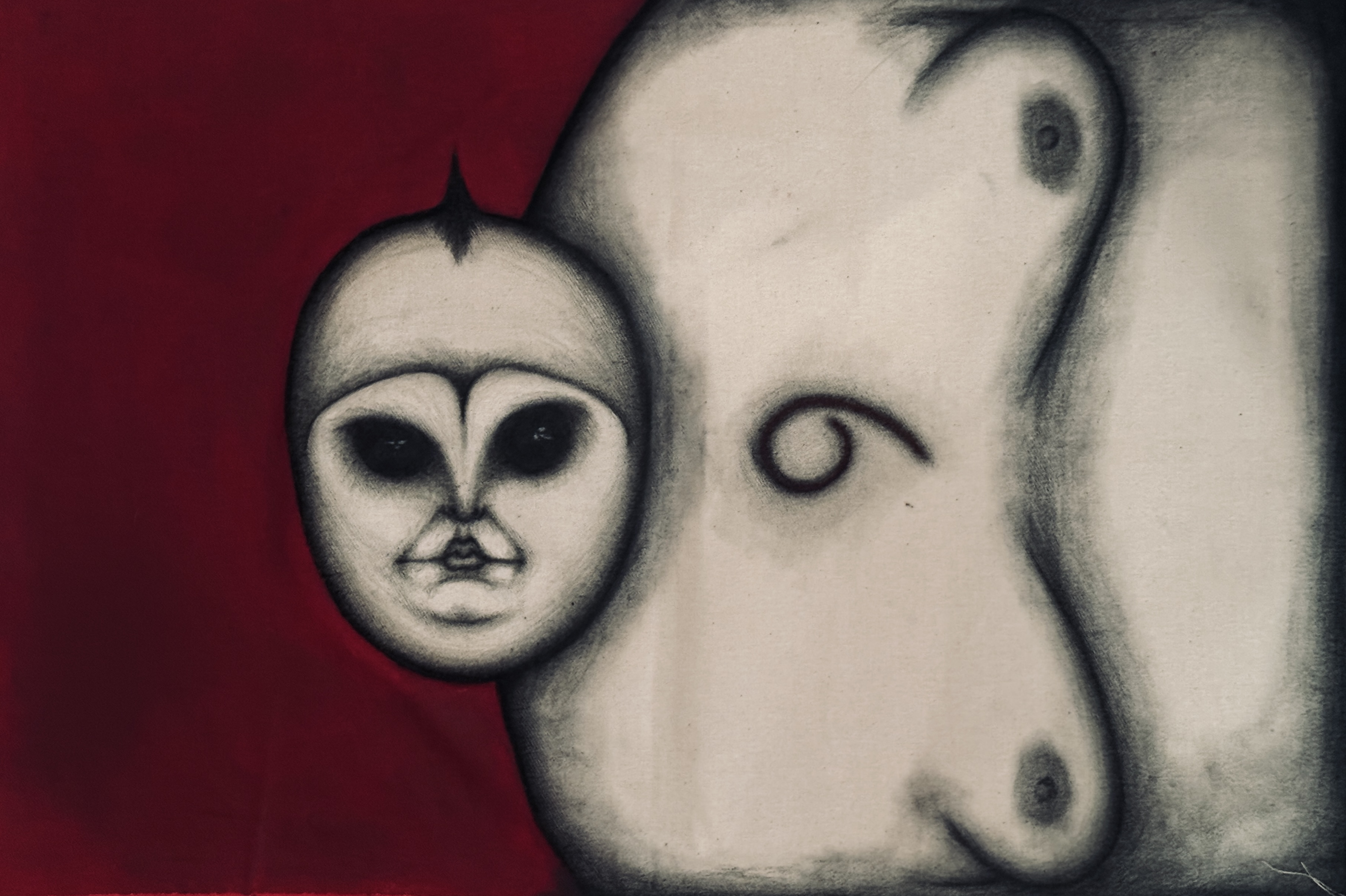
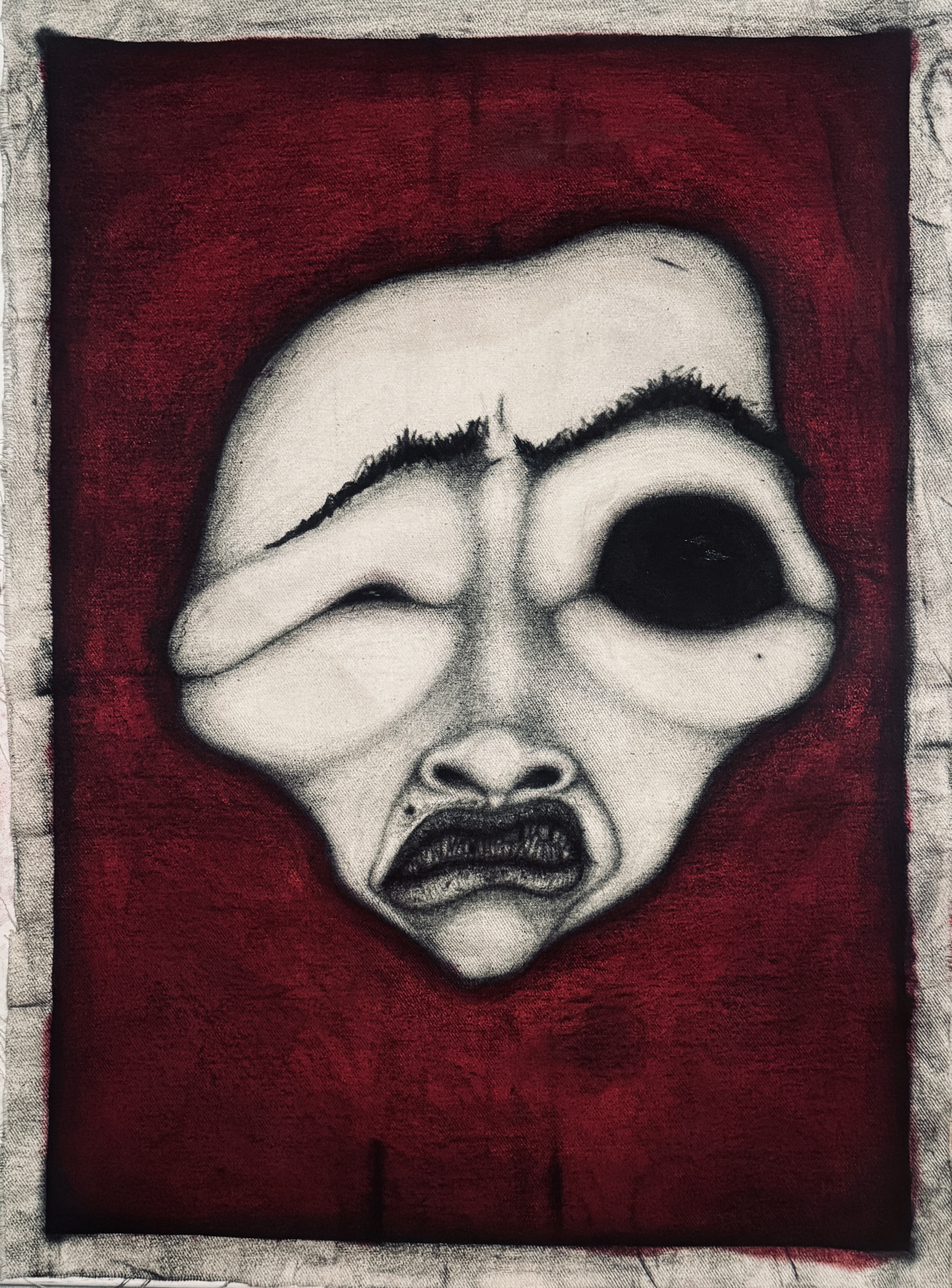
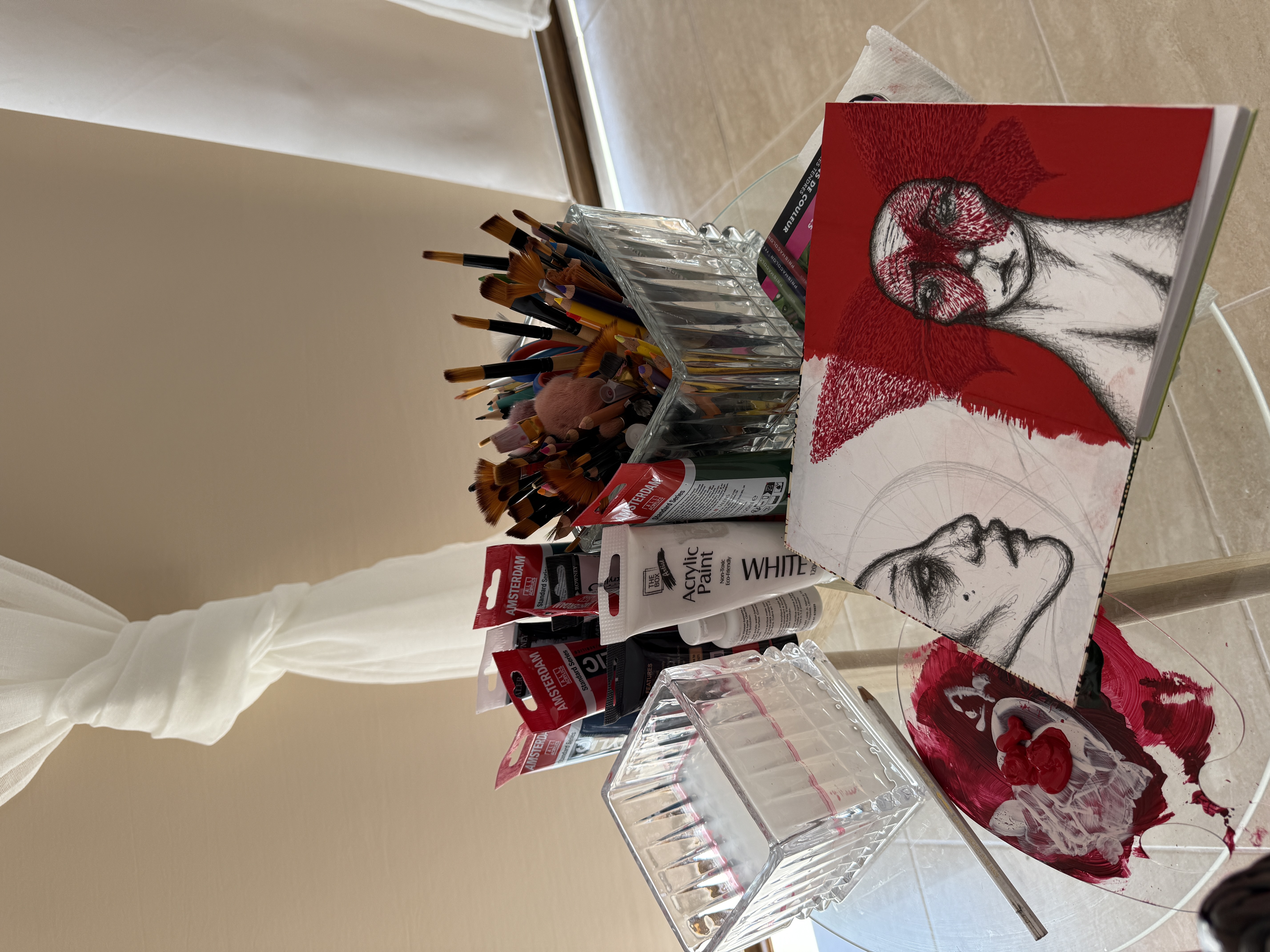
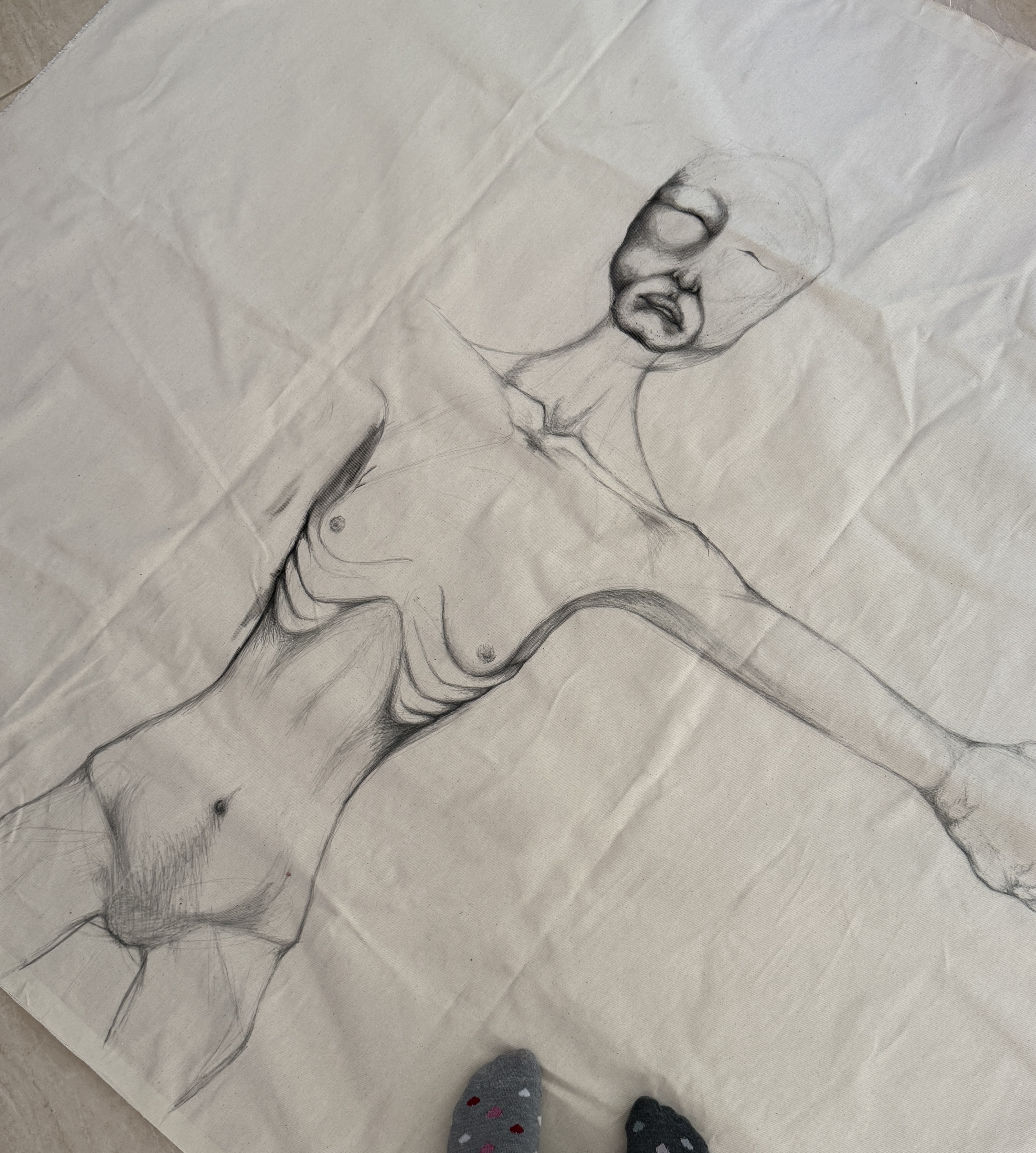
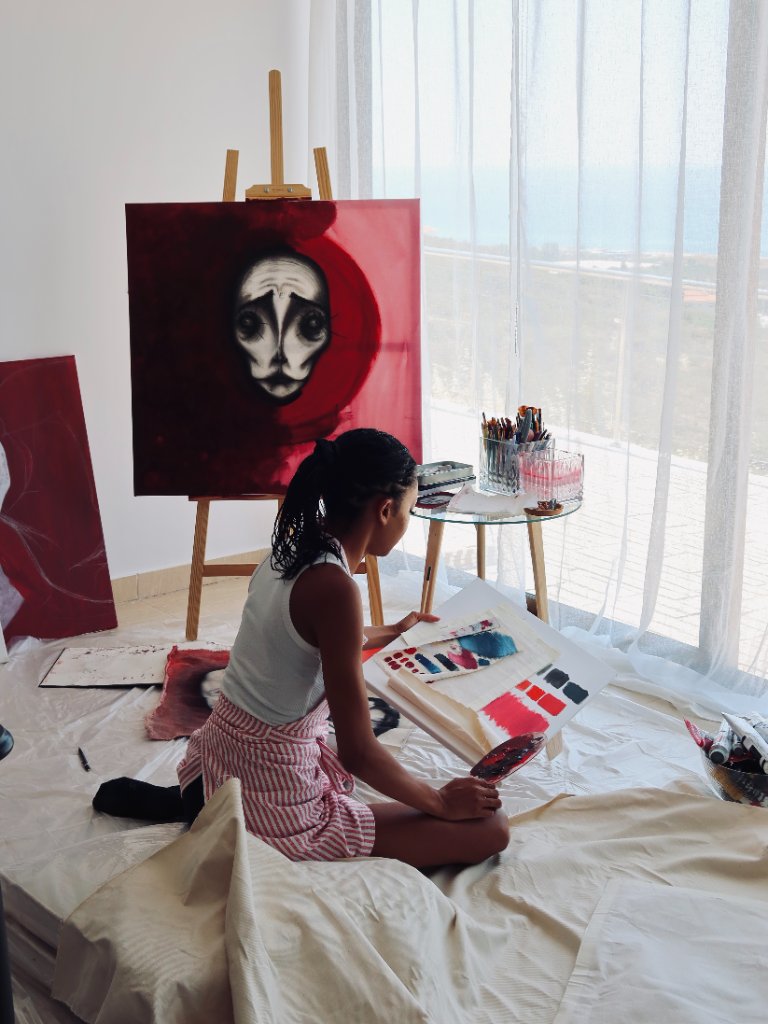
I make portraits and self-portraits in oil, charcoal and pencil, working on loose, unstretched canvas. The question behind my own work is the same one behind my curatorial work: can ugliness and wrongness still be an act of God? If something looks bad or wrong, can it still be good, morally speaking?
I'm drawn to faces that sit slightly off, to marks that don't resolve, and to the moment a portrait stops being flattering and starts being true. Working on loose canvas is part of that. Without a stretcher, the surface buckles, creases and holds every mark, so the material carries the idea as much as the image does.
This is a body of work in progress. I'm developing it alongside my study of the art business, because I want to understand art from both sides: making it, and bringing it to people.
My Practice
Artist. Oil, Charcoal and Pencil on Loose Canvas
I make portraits and self-portraits in oil, charcoal and pencil, working on loose, unstretched canvas. The question behind my own work is the same one behind my curatorial work: can ugliness and wrongness still be an act of God? If something looks bad or wrong, can it still be good, morally speaking?
I'm drawn to faces that sit slightly off, to marks that don't resolve, and to the moment a portrait stops being flattering and starts being true. Working on loose canvas is part of that. Without a stretcher, the surface buckles, creases and holds every mark, so the material carries the idea as much as the image does.
This is a body of work in progress. I'm developing it alongside my study of the art business, because I want to understand art from both sides: making it, and bringing it to people.
Self-Portrait Series
Art Director. Self-Portrait Photography
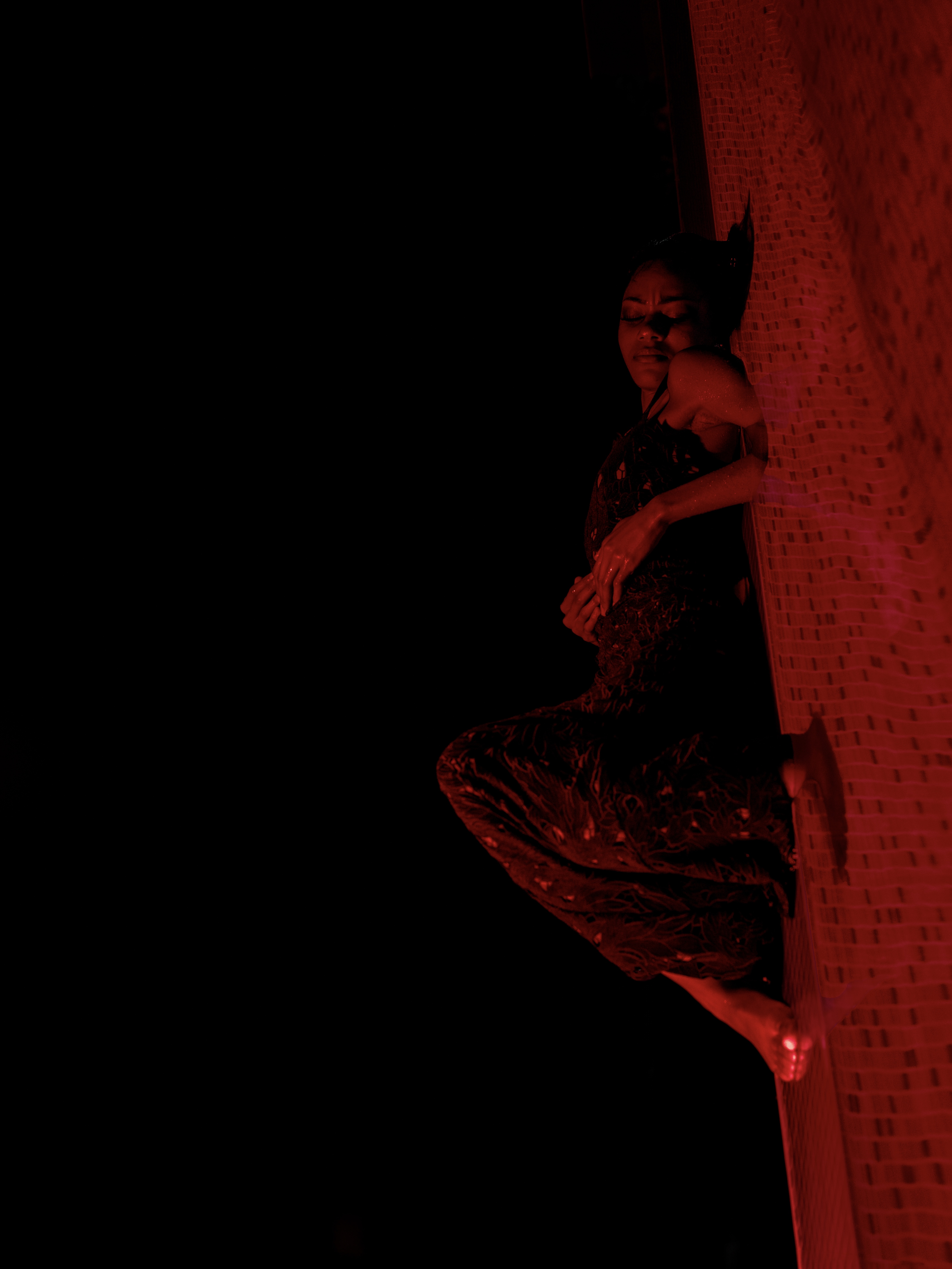
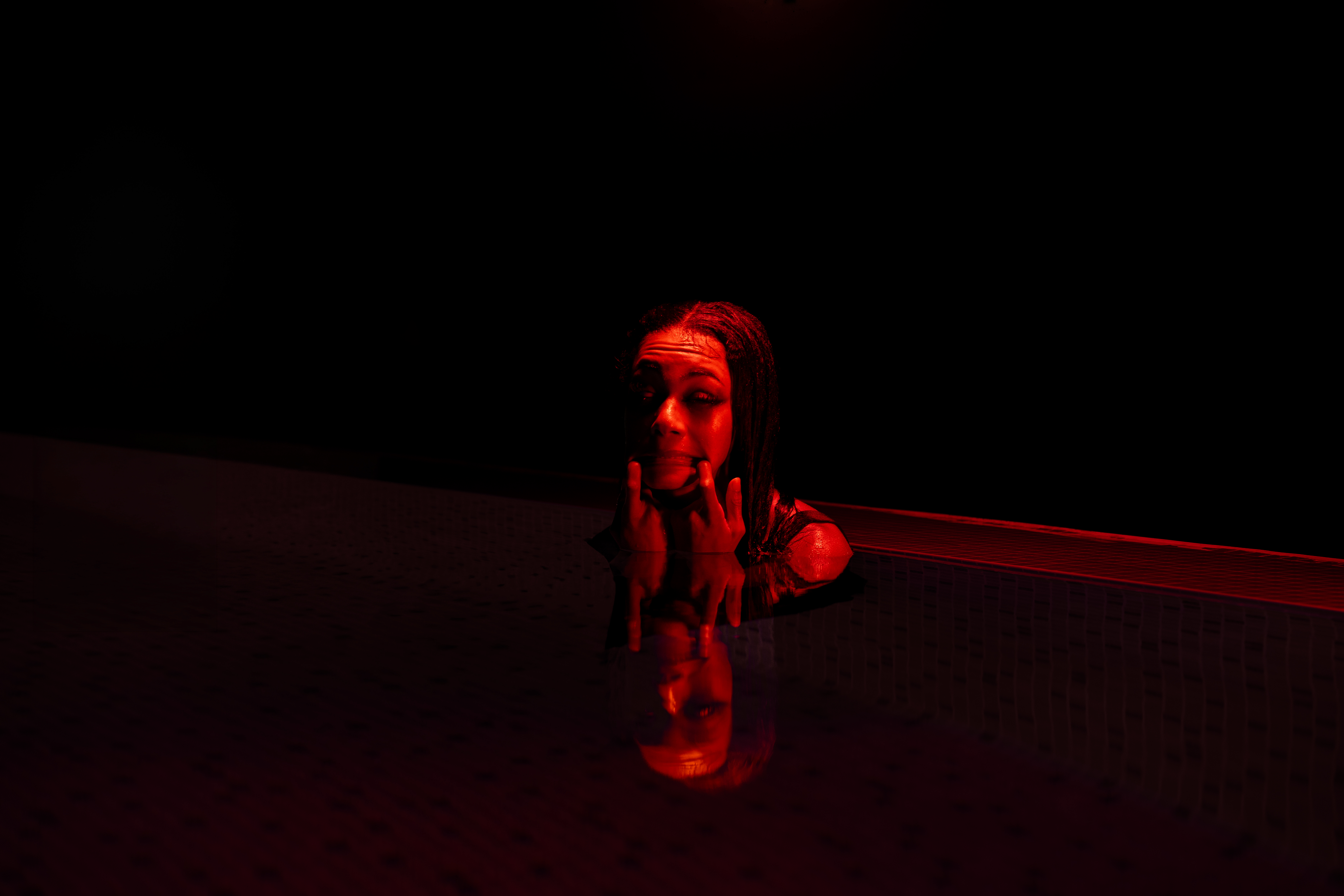
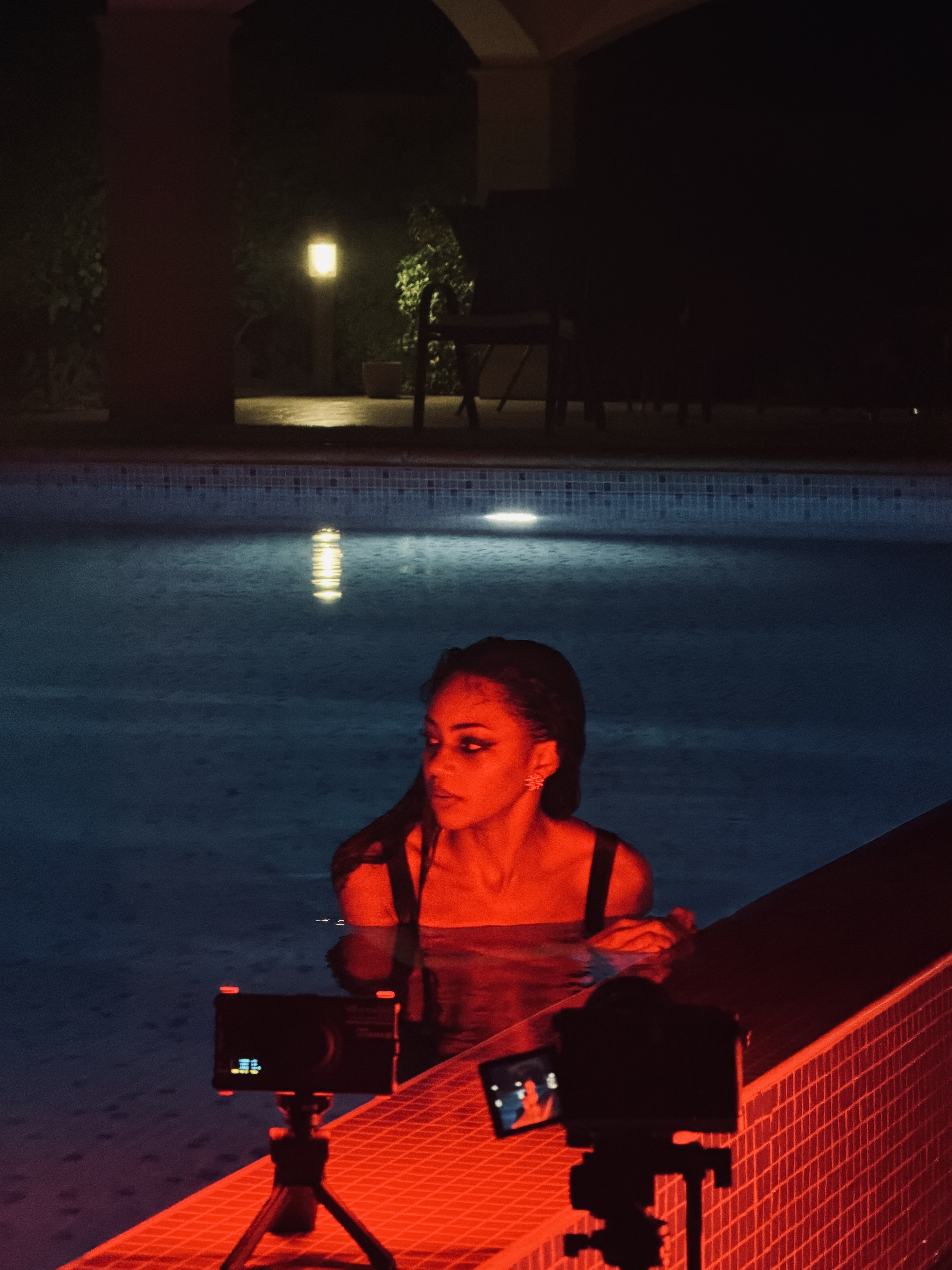
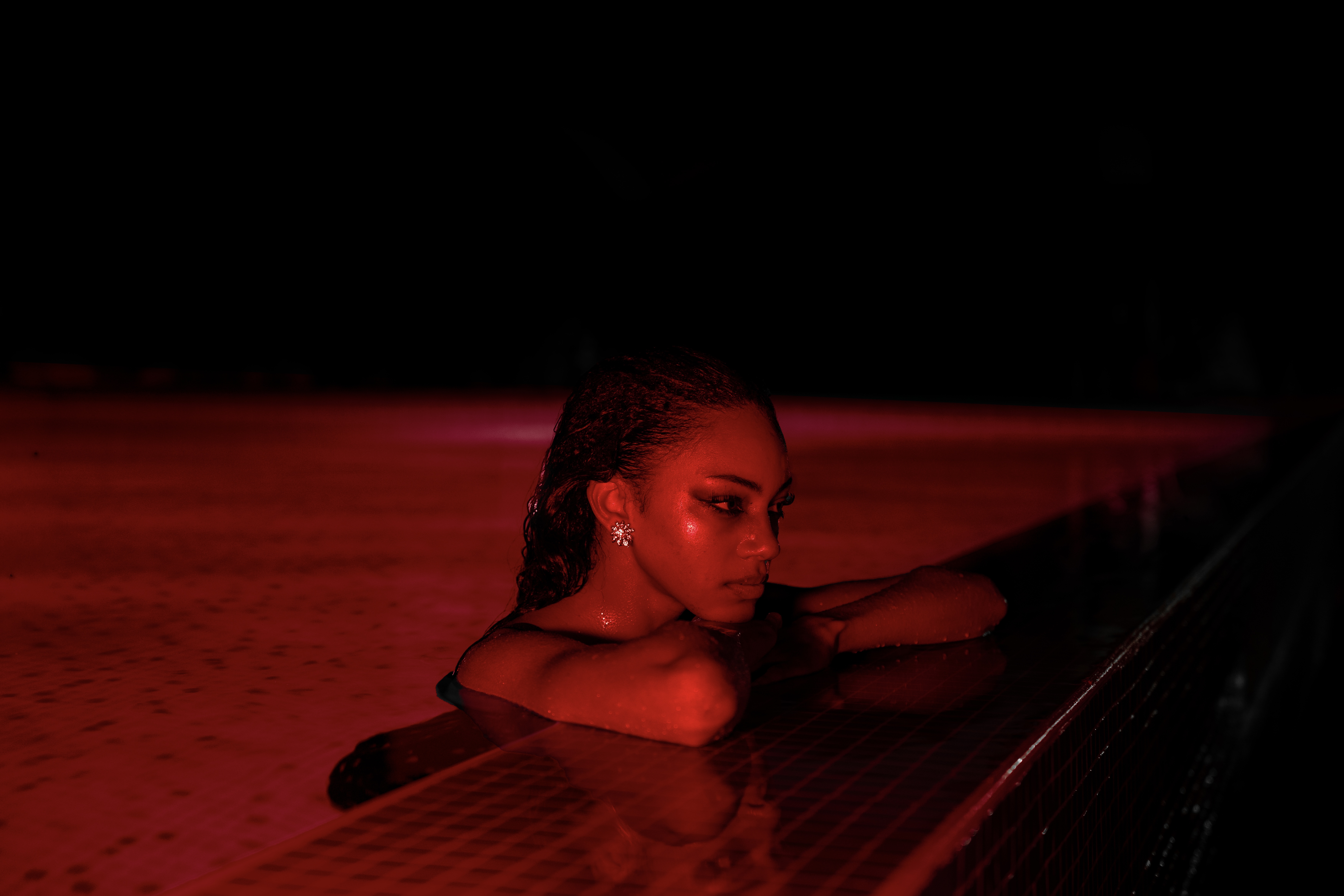
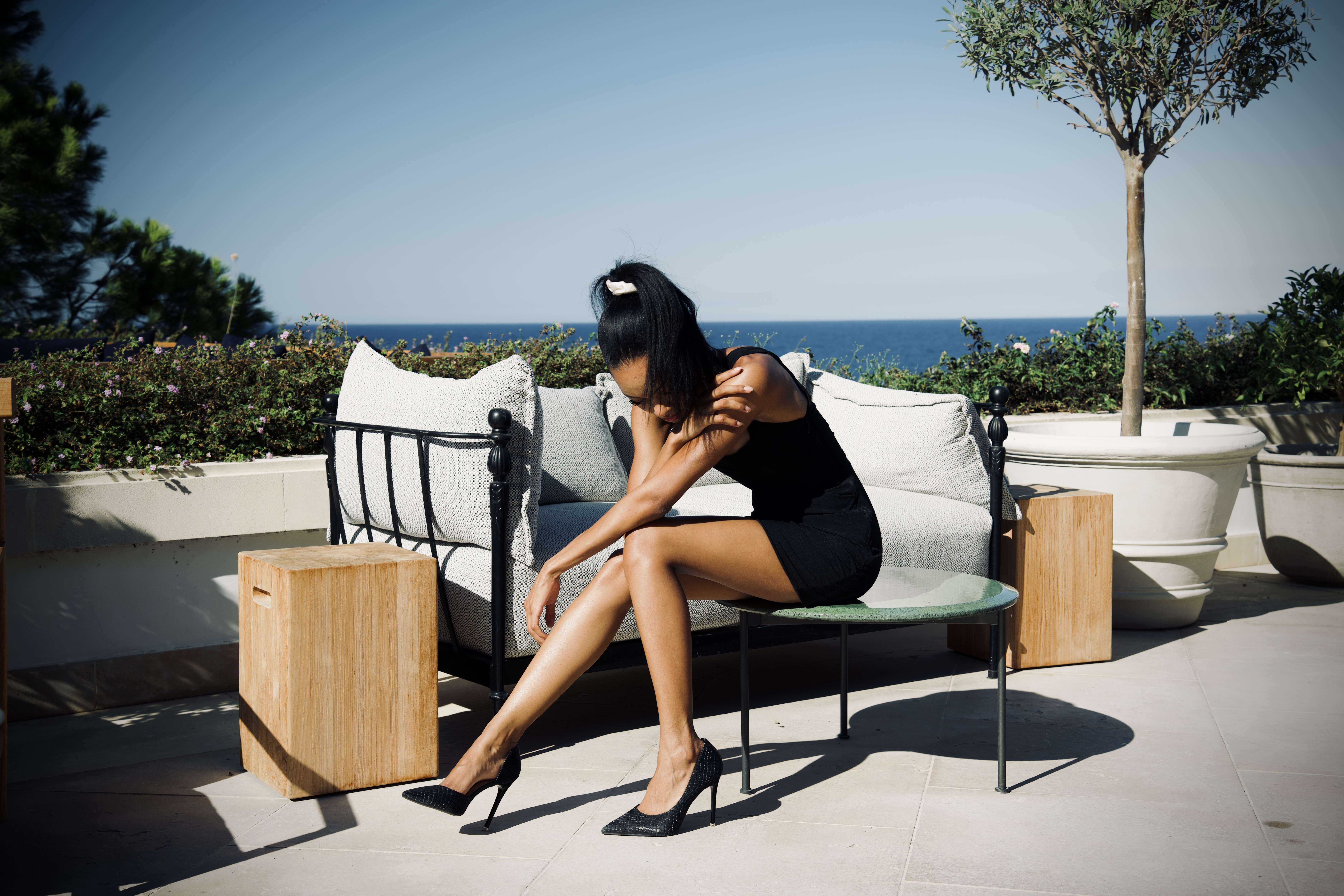
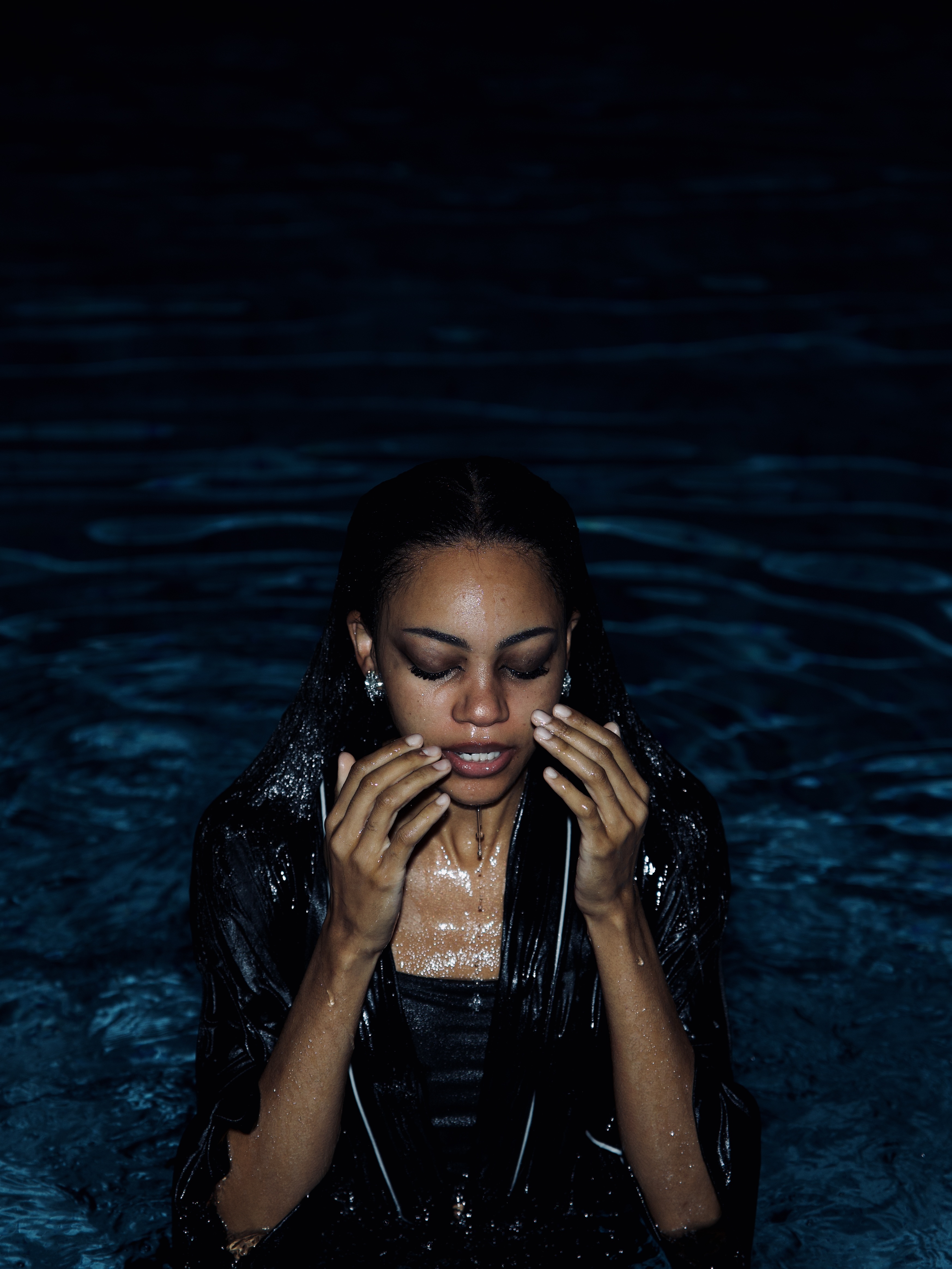
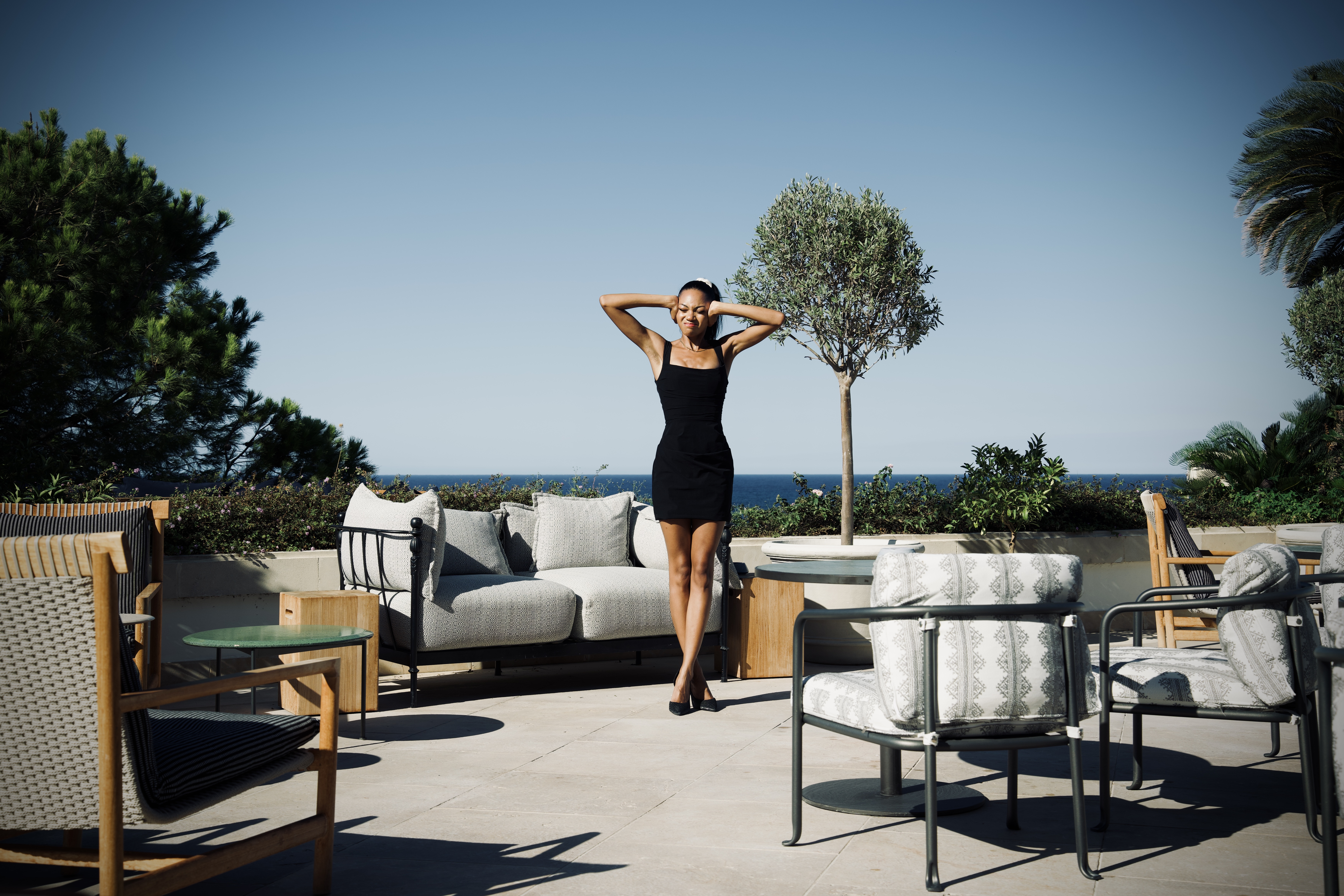
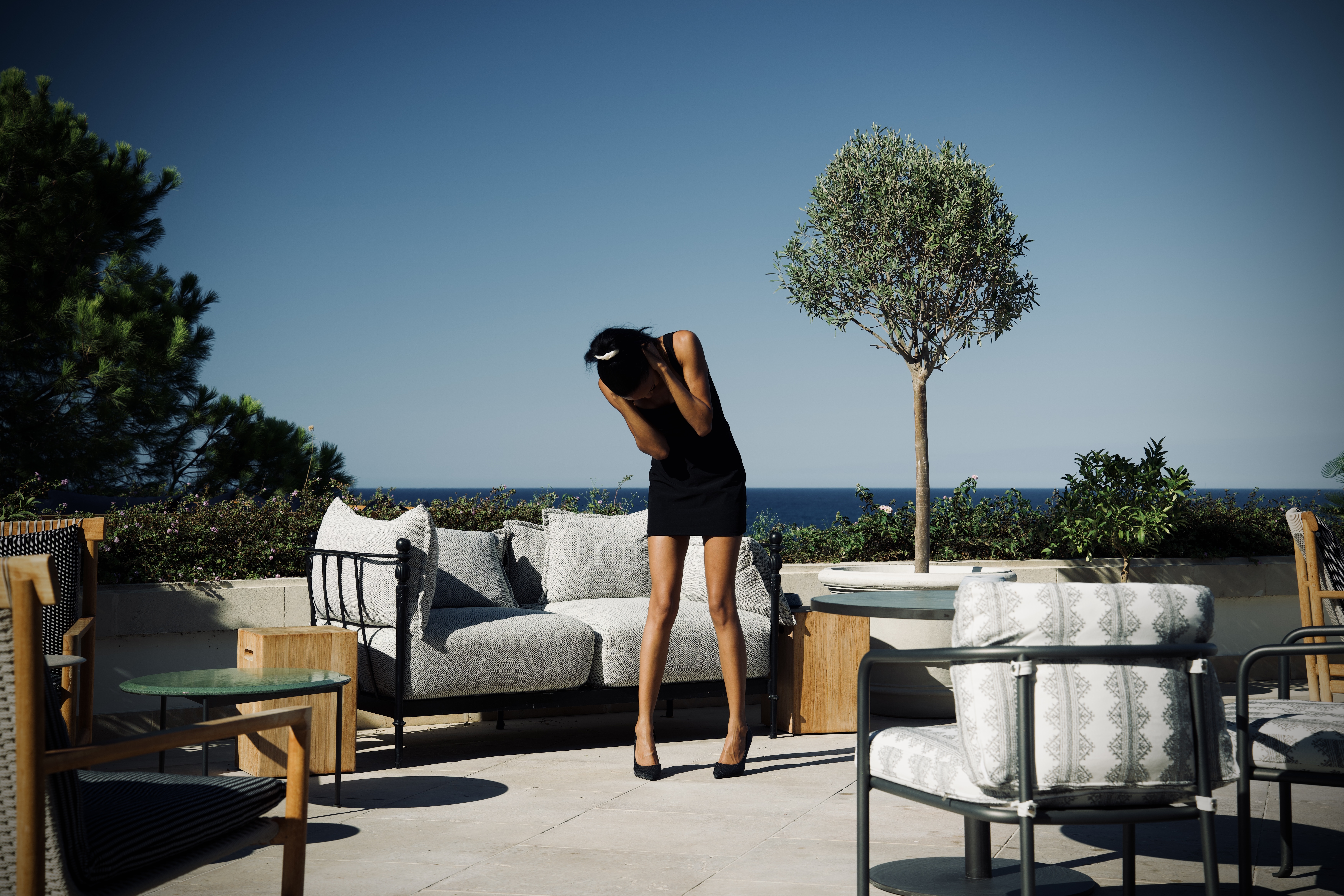
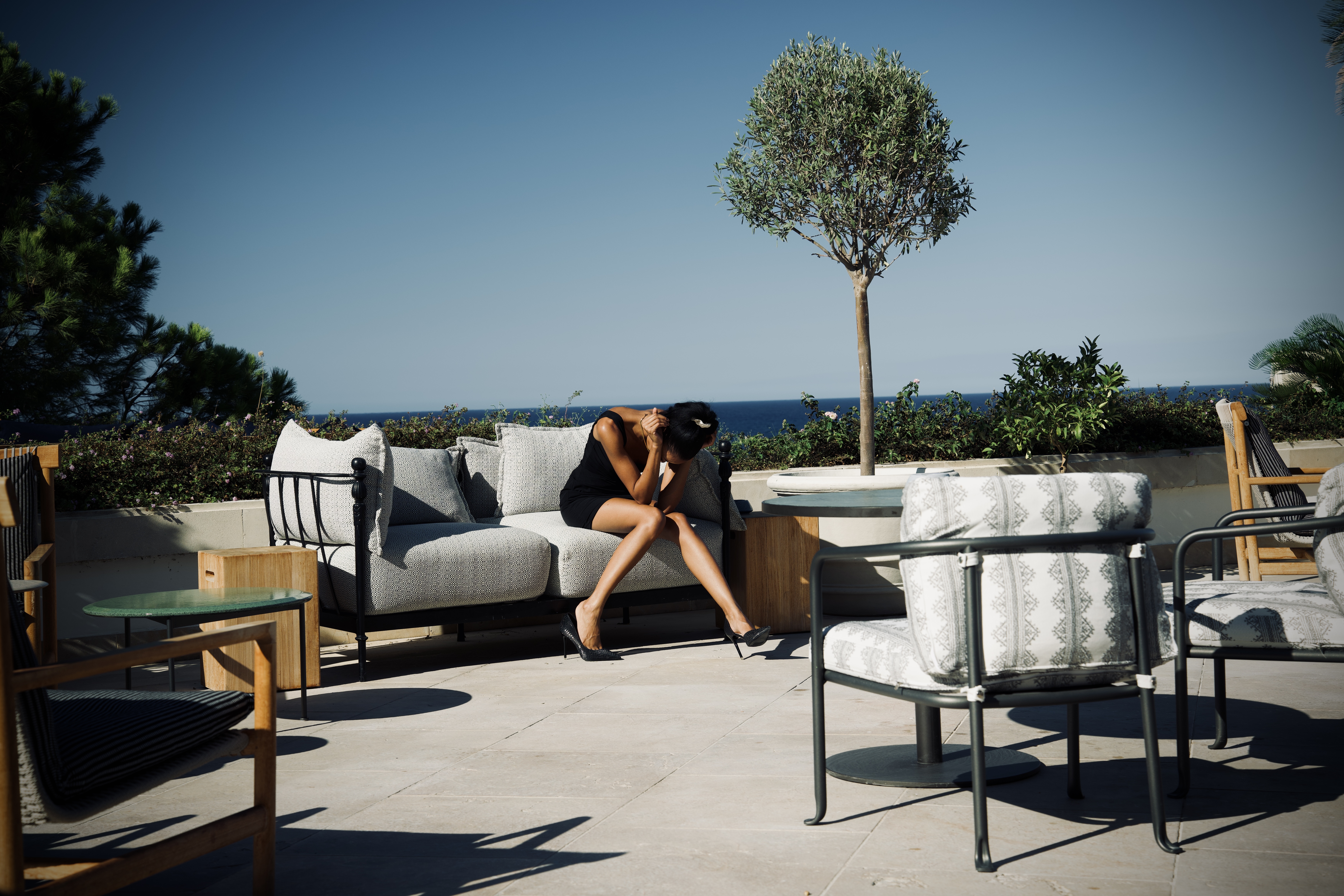
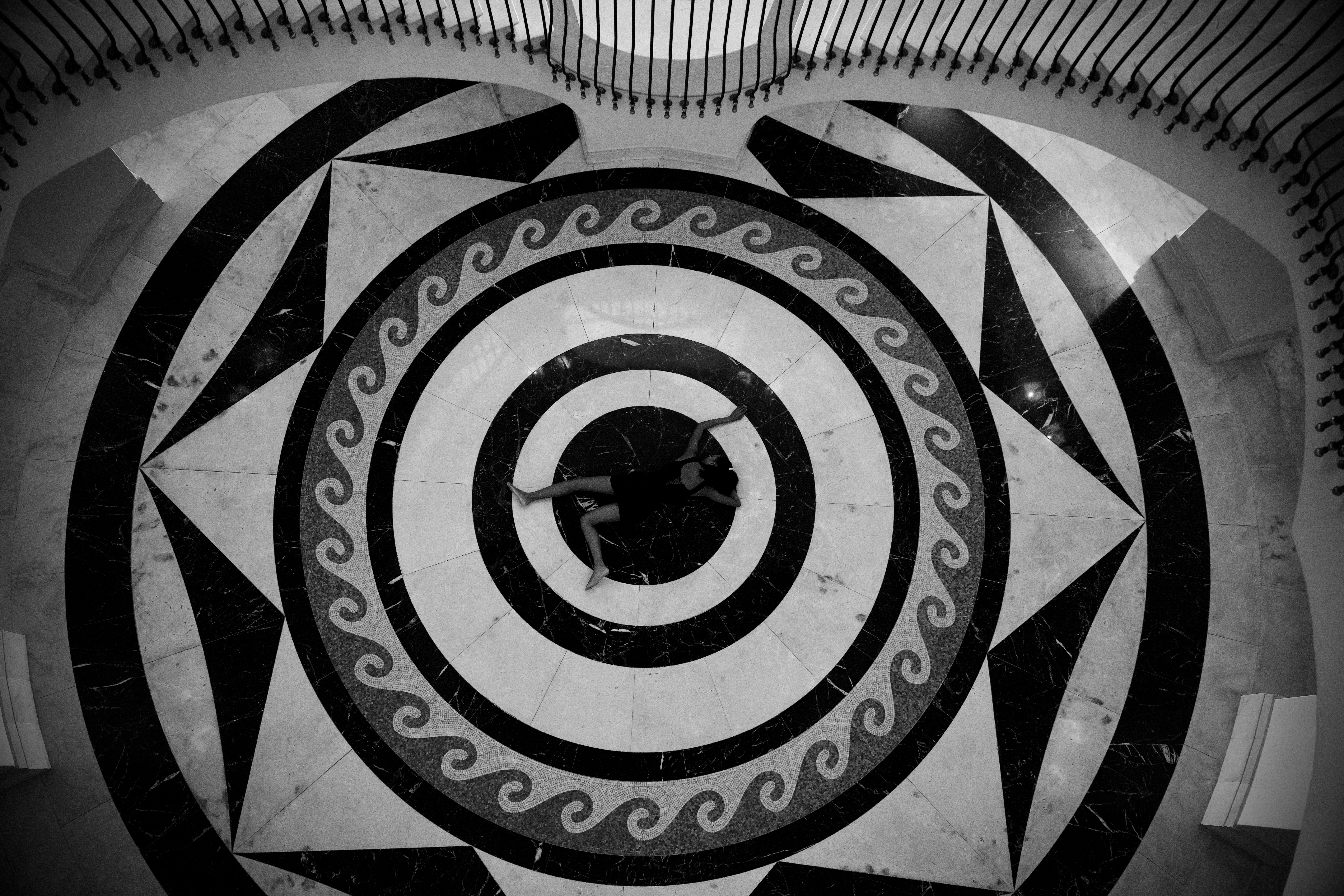
I art direct my own self-portrait photography: the ideas, styling, planning, composition and editing direction. The photographs are taken by my photographer, and the images are built between us.
The series carries the same question as my painting and my curatorial work: the balance of the wrong and unsettling and the clean and good. In these photographs I present myself with a very clean aesthetic, then let something unsettled in: a pose, a facial expression, a detail slightly off, a stillness that doesn't quite feel calm.
That tension is the point. In business I'm polished and composed. In art I'm drawn to what's raw and ugly. The self-portraits are where both exist in the same frame.
My role in the series:
- Concept and ideation for each shoot
- Styling, wardrobe and set
- Planning and shot composition
- Directing the edit and final selection
These are portraits of a person who lives in two worlds and refuses to choose one.
Self-Portrait Series
Art Director. Self-Portrait Photography
I art direct my own self-portrait photography: the ideas, styling, planning, composition and editing direction. The photographs are taken by my photographer, and the images are built between us.
The series carries the same question as my painting and my curatorial work: the balance of the wrong and unsettling and the clean and good. In these photographs I present myself with a very clean aesthetic, then let something unsettled in: a pose, a facial expression, a detail slightly off, a stillness that doesn't quite feel calm.
That tension is the point. In business I'm polished and composed. In art I'm drawn to what's raw and ugly. The self-portraits are where both exist in the same frame.
My role in the series:
- Concept and ideation for each shoot
- Styling, wardrobe and set
- Planning and shot composition
- Directing the edit and final selection
These are portraits of a person who lives in two worlds and refuses to choose one.
Art Market Education
Professional Development. Art Business & Contemporary Art
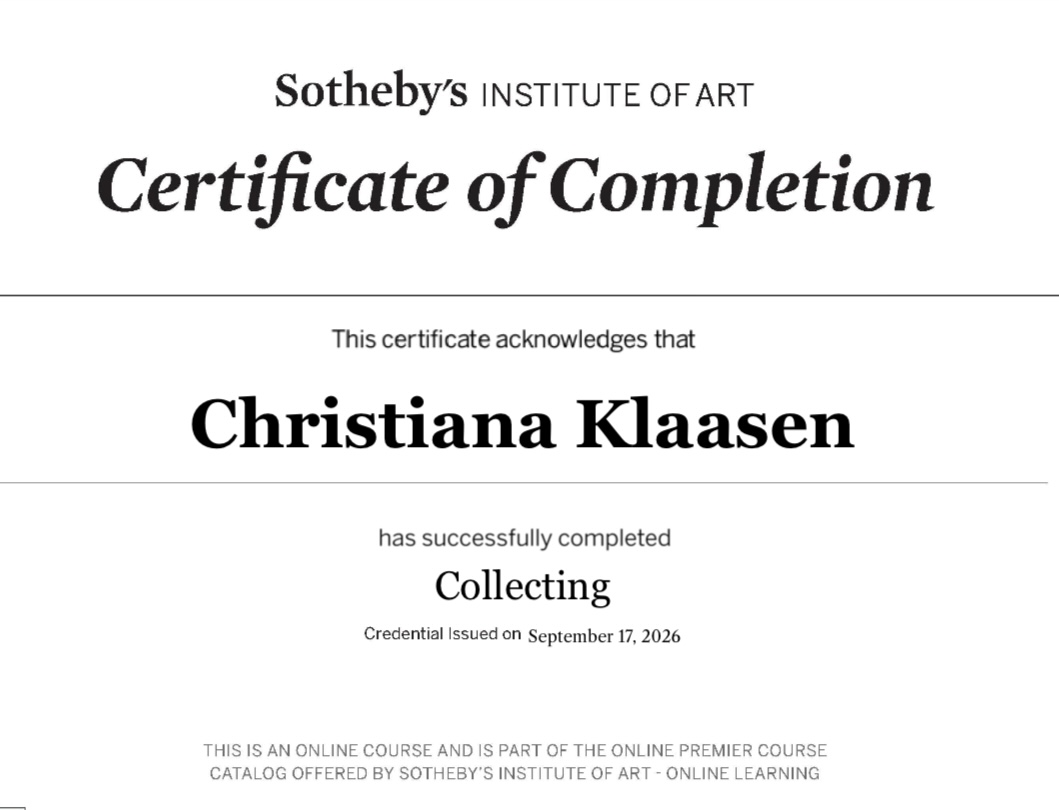
I'm building formal credibility in the art business through structured study, starting with the Sotheby's Institute of Art course on Collecting, alongside independent research into how contemporary art actually moves through the world.
This interest goes beyond the work itself. What draws me in is the structure behind it, how a piece gains legitimacy, how a gallery builds a program, how relationships and exhibition history translate into value, and eventually how auction houses decide what to take on.
I'm grateful to be starting this formally rather than assuming my instincts are enough, and grateful for every course, book, and conversation that's sharpened my understanding of an industry I'm serious about entering properly.
My study includes:
- The Sotheby's Institute of Art course on Collecting, the first formal step toward a recognised credential in the field
- Independent study through MoMA's Coursera course on modern and contemporary art
- Art Basel's public Conversations series, following how the market's leading voices talk about the field in real time
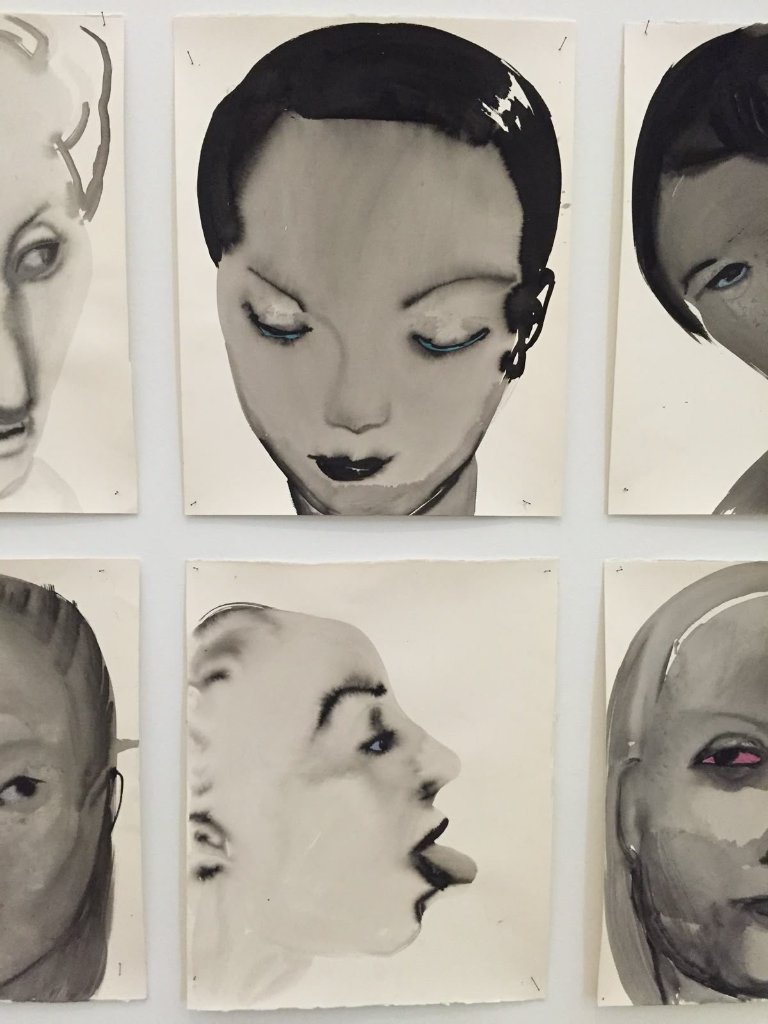
- A working reading list, including Seven Days in the Art World, Breakfast at Sotheby's, and Ways of Seeing, building a critical vocabulary alongside the formal coursework
What I'm working toward is entering this industry through the door that actually opens, which is gallery work. I know that I am on this path early but I am really excited to embark on this journey.
Art Market Education
Professional Development. Art Business & Contemporary Art
I'm building formal credibility in the art business through structured study, starting with the Sotheby's Institute of Art course on Collecting, alongside independent research into how contemporary art actually moves through the world.
This interest goes beyond the work itself. What draws me in is the structure behind it, how a piece gains legitimacy, how a gallery builds a program, how relationships and exhibition history translate into value, and eventually how auction houses decide what to take on.
I'm grateful to be starting this formally rather than assuming my instincts are enough, and grateful for every course, book, and conversation that's sharpened my understanding of an industry I'm serious about entering properly.
My study includes:
- The Sotheby's Institute of Art course on Collecting, the first formal step toward a recognised credential in the field
- Independent study through MoMA's Coursera course on modern and contemporary art
- Art Basel's public Conversations series, following how the market's leading voices talk about the field in real time
- A working reading list, including Seven Days in the Art World, Breakfast at Sotheby's, and Ways of Seeing, building a critical vocabulary alongside the formal coursework
What I'm working toward is entering this industry through the door that actually opens, which is gallery work. I know that I am on this path early but I am really excited to embark on this journey.