
My Work
Commerce Club Resource Library
Curriculum Design & Educational Content
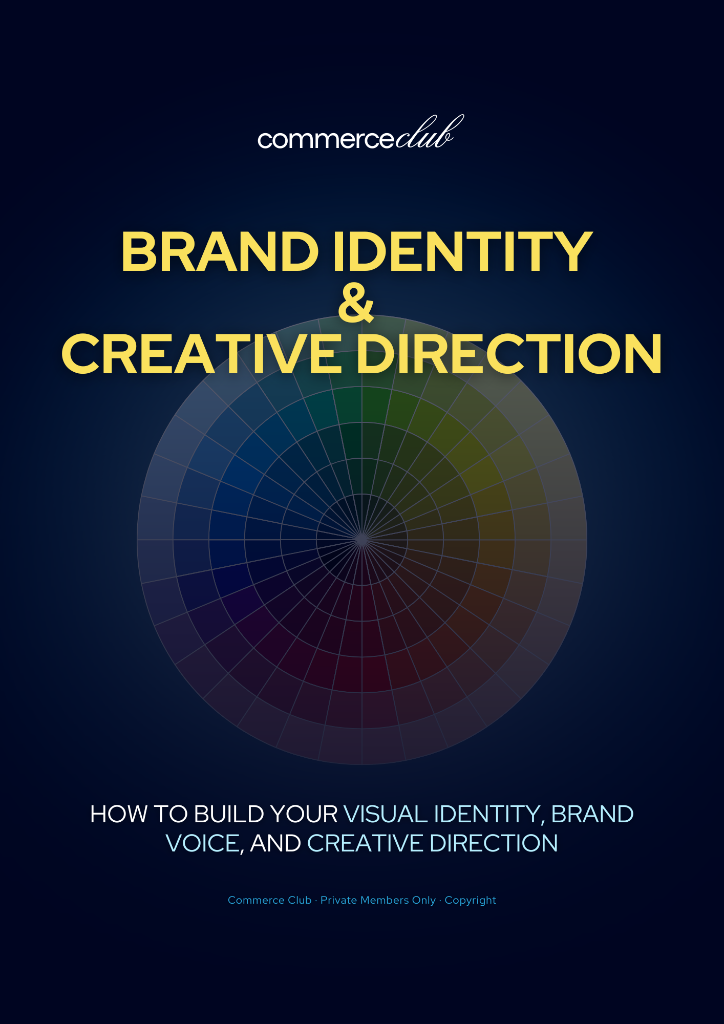
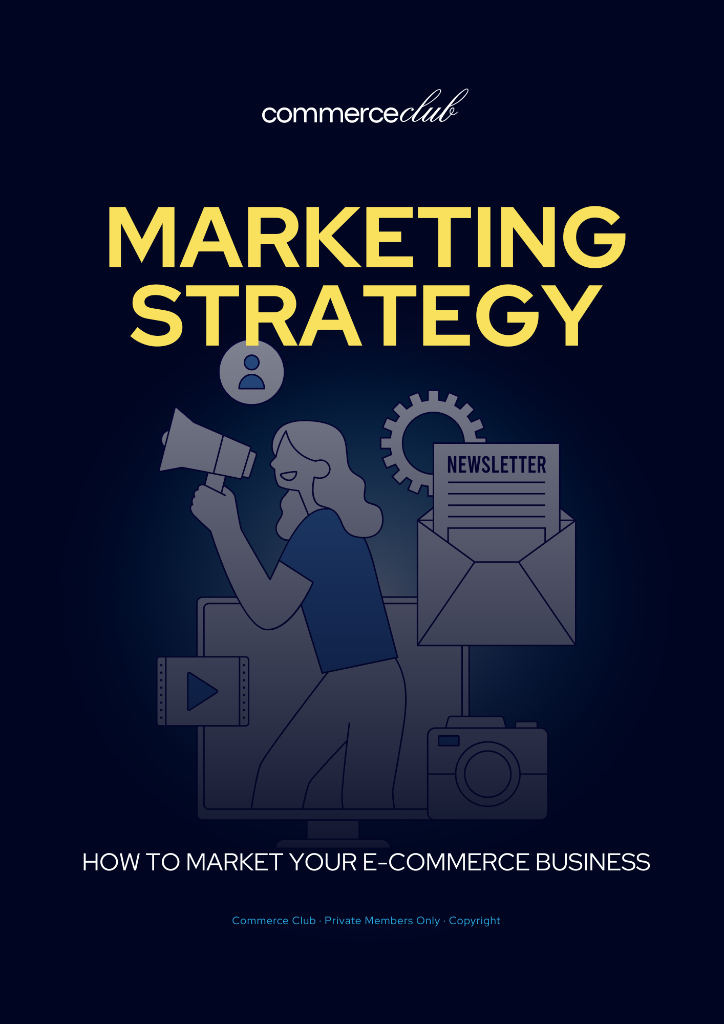
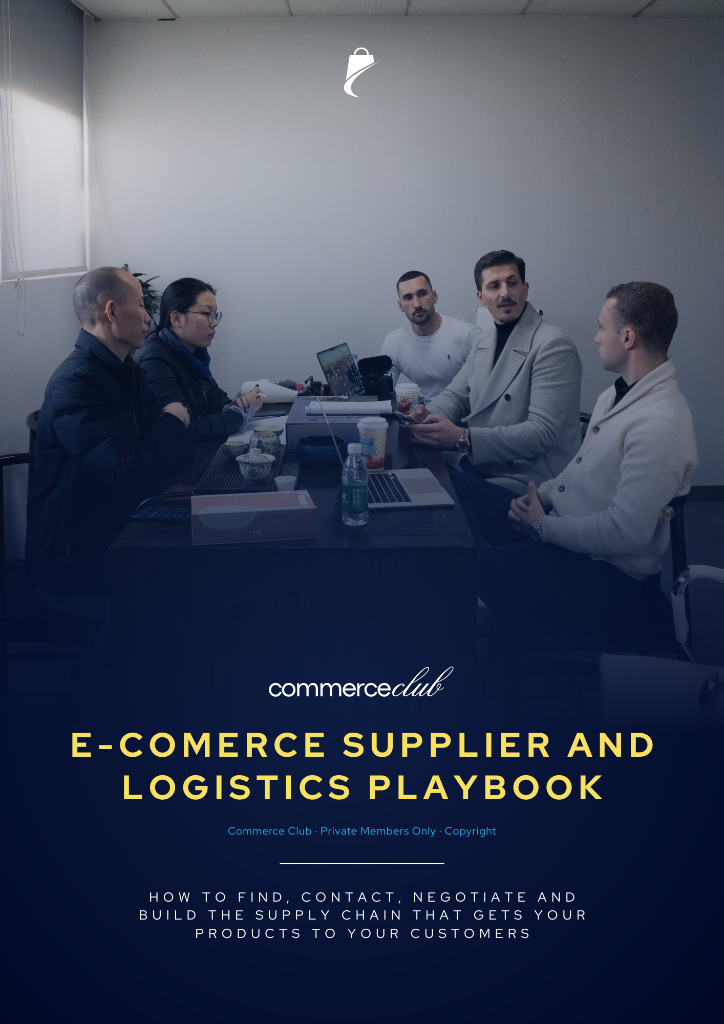
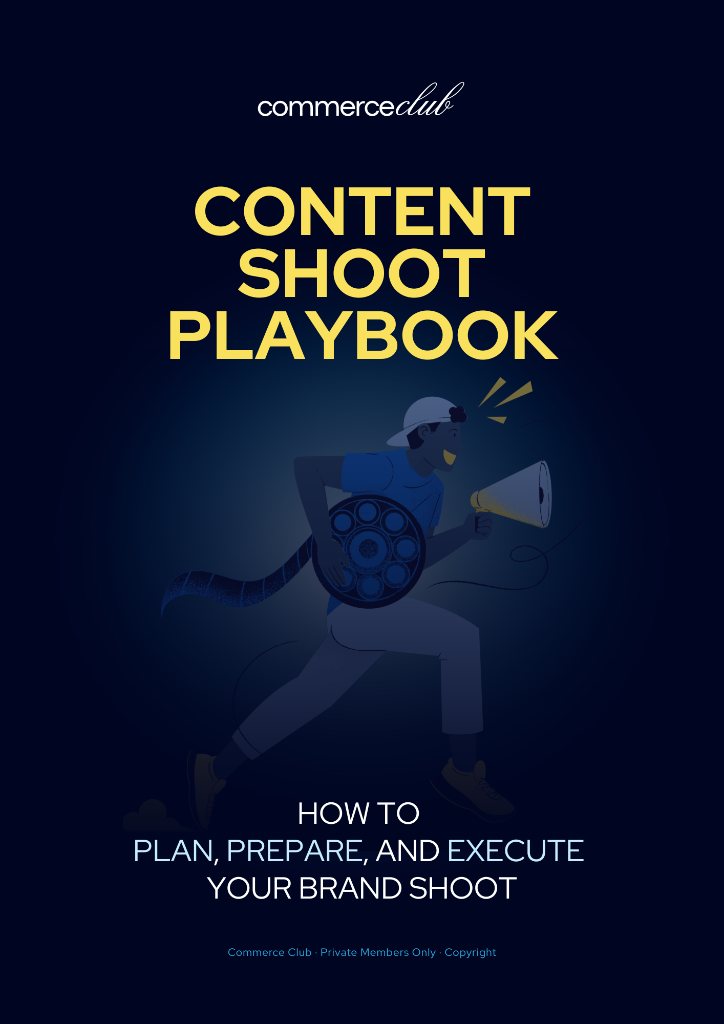
I write and design the member-facing resource library for Commerce Club, a private e-commerce mentorship built around an eight-stage curriculum from product research through to paid media. Alongside two other mentors who create value-based content, my focus is the readable, structured resources members return to again and again.
When I joined, this side of the business didn't exist yet beyond the idea of it. I built the library from nothing, one resource at a time, and I'm grateful to have had the room to shape not just what members learn but how the learning itself is delivered.
Through this work, I aim to:
- Answer every question a mentee might realistically have before they have to ask it
- Compress years of hard-earned e-commerce experience into something they can absorb in a single sitting
- Give members a reference they can return to at any stage, not just something read once and shelved
- Make dense, technical subjects, from supplier negotiation to ad testing to brand identity, feel approachable rather than overwhelming
I take as much care in the design as the writing. Members are opening these under real pressure, having invested money and wanting to see it justify itself, so every resource follows a consistent visual system built to hold attention and retain knowledge rather than overwhelm it.
I'm proud of what the library has become, and grateful to the members whose questions shaped what got written and rewritten along the way.




Commerce Club Resource Library
Curriculum Design & Educational Content
I write and design the member-facing resource library for Commerce Club, a private e-commerce mentorship built around an eight-stage curriculum from product research through to paid media. Alongside two other mentors who create value-based content, my focus is the readable, structured resources members return to again and again.
When I joined, this side of the business didn't exist yet beyond the idea of it. I built the library from nothing, one resource at a time, and I'm grateful to have had the room to shape not just what members learn but how the learning itself is delivered.
Through this work, I aim to:
- Answer every question a mentee might realistically have before they have to ask it
- Compress years of hard-earned e-commerce experience into something they can absorb in a single sitting
- Give members a reference they can return to at any stage, not just something read once and shelved
- Make dense, technical subjects, from supplier negotiation to ad testing to brand identity, feel approachable rather than overwhelming
I take as much care in the design as the writing. Members are opening these under real pressure, having invested money and wanting to see it justify itself, so every resource follows a consistent visual system built to hold attention and retain knowledge rather than overwhelm it.
I'm proud of what the library has become, and grateful to the members whose questions shaped what got written and rewritten along the way.
Product Design & Selection
A Working Philosophy
I think about product selection the way I think about acquiring anything meant to last: does this deserve to exist in someone's life, does it belong in the space I want it in, does it belong with the founder and does it deserve the price attached to it.
A few things guide how I approach it:
- Fit before novelty. The right product for a brand isn't the most exciting one, it's the one that matches the brand's positioning, the founder's capital and experience, and the model that actually fits their stage, whether that's dropshipping, white label, or custom design. I built this thinking into a full framework for Commerce Club, because most founders chase the product before they understand which path they're even on.
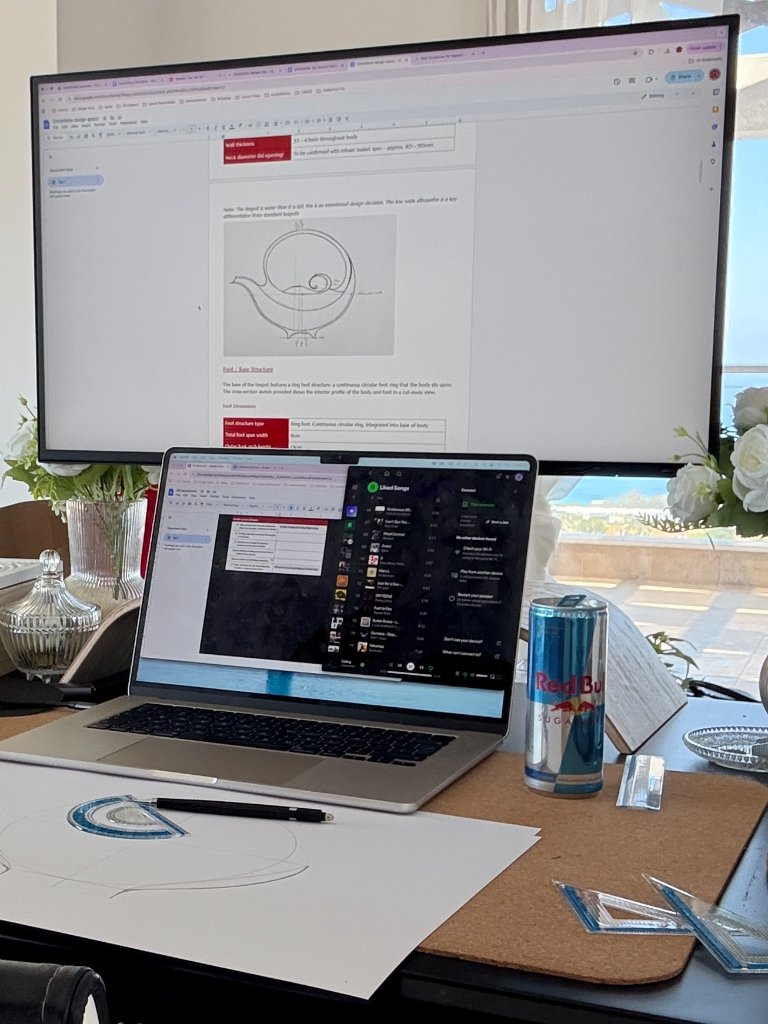
- Design is not decoration. Working on ZAROS meant designing product myself and translating that vision into manufacturer-ready specifications with 3D and technical pack designers. The product has to hold up under production constraints, not just look good in a moodboard.
- Operational and financial reality come before aesthetics. Is it too heavy or too delicate to ship easily? Can the materials be sourced affordably at scale, and can the business sustain that cost long term? How will it be packaged, and what does that add to the cost and the experience?
What this comes down to for me is taste under constraint, knowing what deserves to be made and sold, and having the discipline to say no to what doesn't. It's the same instinct I'd want to bring to evaluating an artist's work or a body of work worth representing: judgment that holds up regardless of what's fashionable in the moment.


Product Design & Selection
A Working Philosophy
I think about product selection the way I think about acquiring anything meant to last: does this deserve to exist in someone's life, does it belong in the space I want it in, does it belong with the founder and does it deserve the price attached to it.
A few things guide how I approach it:
- Fit before novelty. The right product for a brand isn't the most exciting one, it's the one that matches the brand's positioning, the founder's capital and experience, and the model that actually fits their stage, whether that's dropshipping, white label, or custom design. I built this thinking into a full framework for Commerce Club, because most founders chase the product before they understand which path they're even on.
- Design is not decoration. Working on ZAROS meant designing product myself and translating that vision into manufacturer-ready specifications with 3D and technical pack designers. The product has to hold up under production constraints, not just look good in a moodboard.
- Operational and financial reality come before aesthetics. Is it too heavy or too delicate to ship easily? Can the materials be sourced affordably at scale, and can the business sustain that cost long term? How will it be packaged, and what does that add to the cost and the experience?
What this comes down to for me is taste under constraint, knowing what deserves to be made and sold, and having the discipline to say no to what doesn't. It's the same instinct I'd want to bring to evaluating an artist's work or a body of work worth representing: judgment that holds up regardless of what's fashionable in the moment.